

English



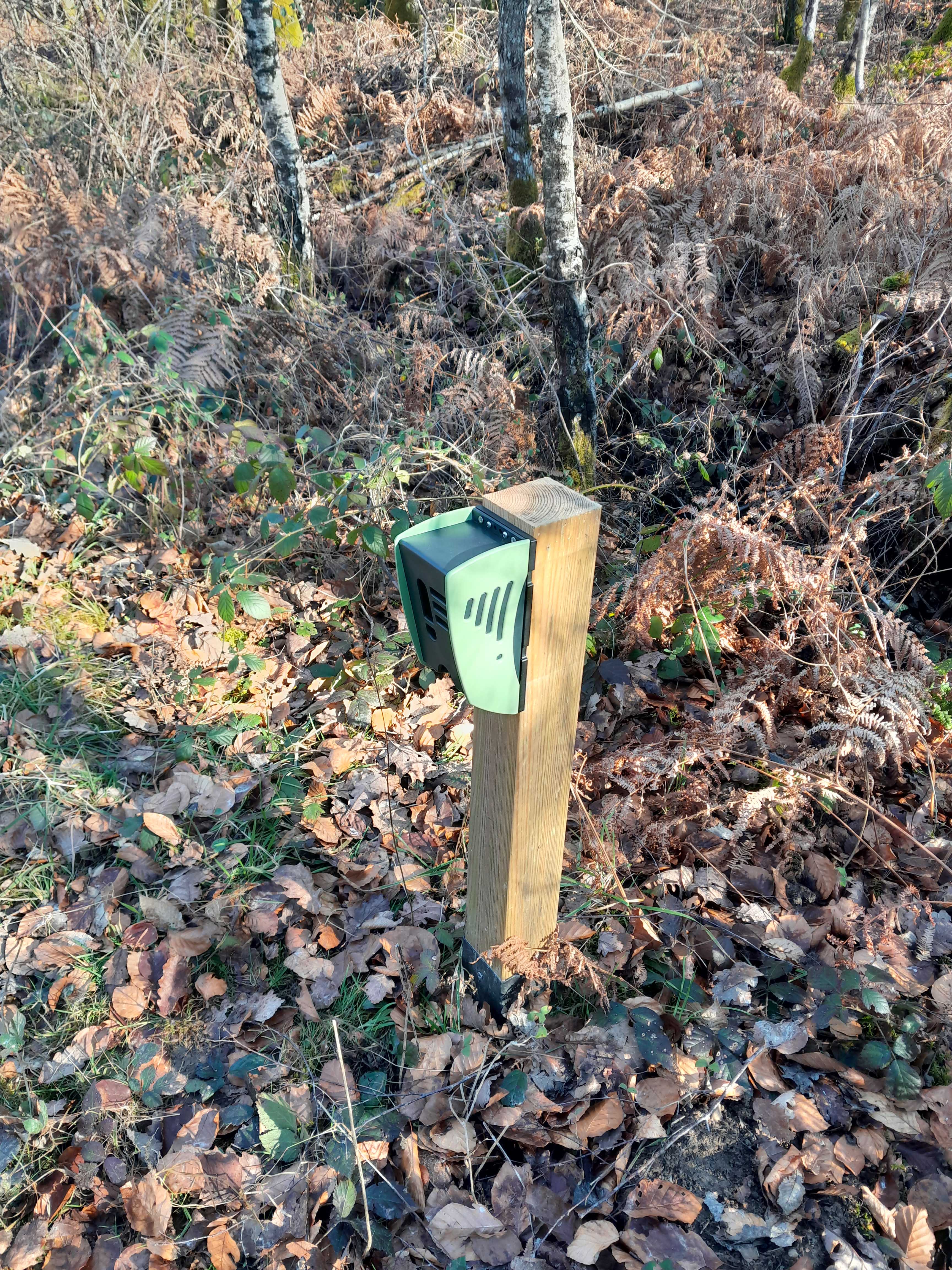
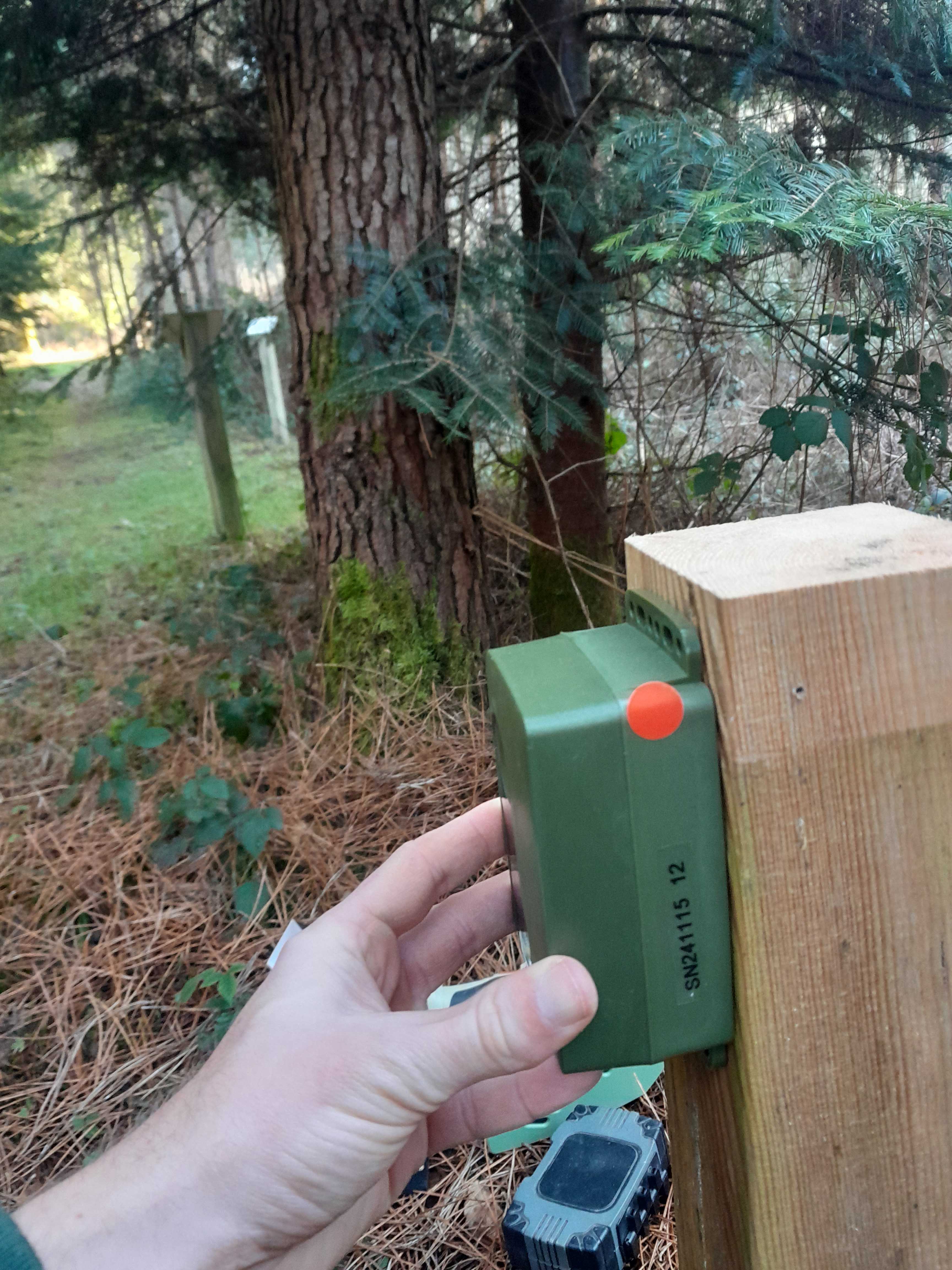
Since February 2023, the National Forestry Office (ONF) has been monitoring pedestrian traffic at the Mardelles de Prémery Regional Nature Reserve in the Nièvre department using two Kiomda counters, which are read manually due to a lack of network coverage on-site. The data, shared with the reserve's management committee, is primarily used to measure the impact of improvements made to increase the site's appeal.

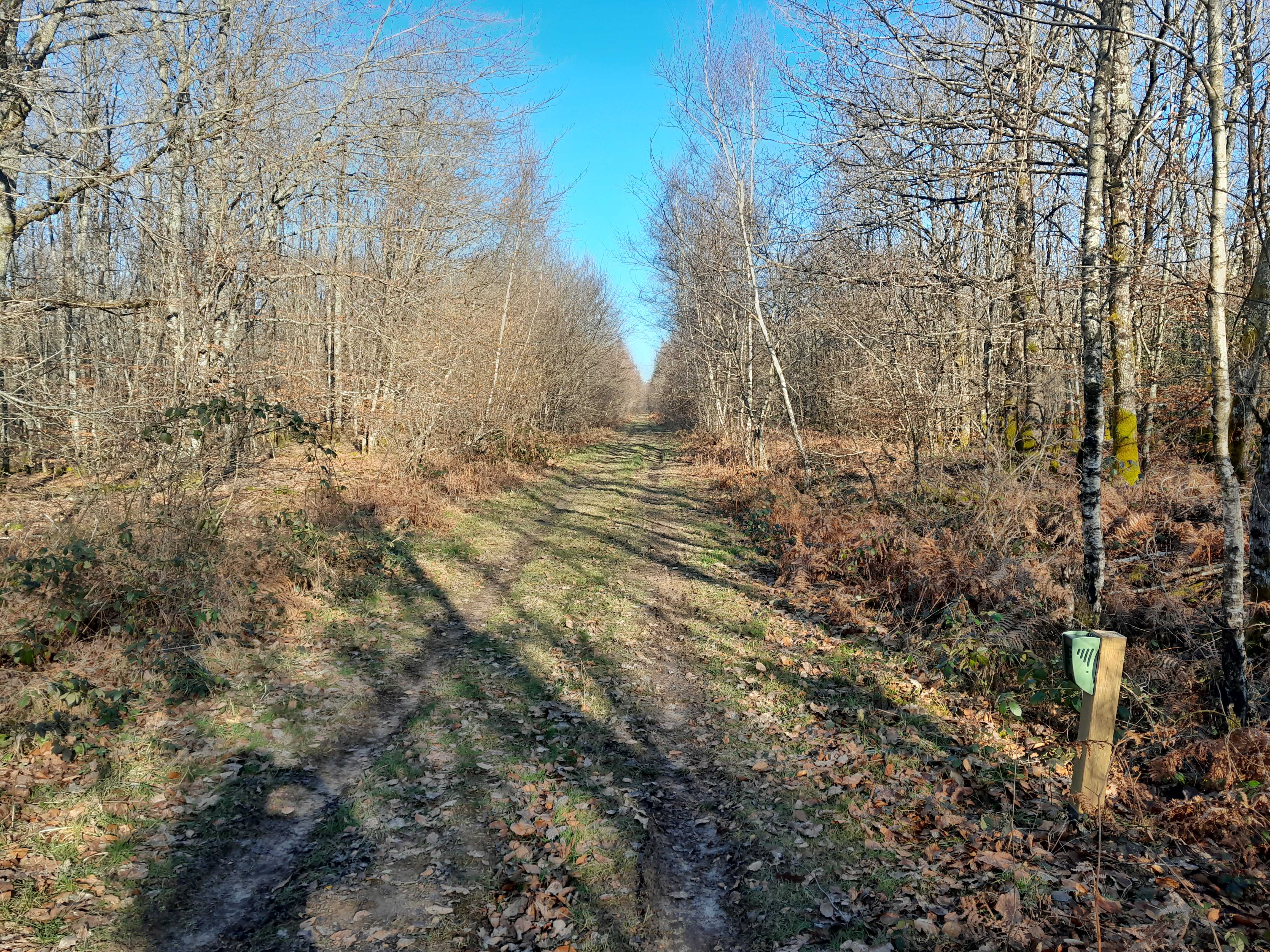
Nestled in the Nièvre region, the Mardelles de Prémery Regional Nature Reserve takes its name from some fifty forest ponds and peat bogs tucked away in the heart of the state and municipal forest—a rare geological formation that preserves fossilized pollen grains in its peat layers, allowing for the reconstruction of the region's climate and vegetation over more than 15,000 years. Studied by National Forestry Office agents since the 1960s, the site was not officially classified as a reserve until 2015 to ensure its legal protection. It is home to protected species such as the royal fern, the black stork, and the booted eagle, while also welcoming the public via five interpretive trails and wooden boardwalks that cross the peat areas without damaging them.
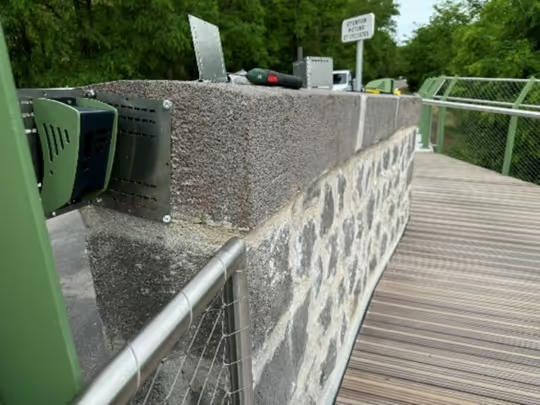
In this area where timber production, public access, and nature conservation intersect—the ONF also carries out renaturation operations and manages the effects of droughts and bark beetle attacks on spruce trees—visitor numbers had previously remained a mystery. Since February 2023, two pedestrian counters, equipped with anti-vandalism covers modified to facilitate manual readings, have been installed in the heart of the municipal and state-owned lands. A major constraint on the ground: the area has no mobile network coverage. Data is therefore retrieved via a Wi-Fi module that connects, on demand, to an agent's smartphone during their site visits—a collection method that adds to the workload.
"The device is installed in an area with no network coverage. I have to go there to take the reading, but unfortunately, I have many other duties."
This constraint is all the more significant because the devices' internal memory is limited: if readings are too far apart, some of the visitor data is lost and cannot be recovered.
The counter first made it possible to move away from guesswork on a site where visitor numbers, while low and irregular, had never been measured.
"We observed the visitor numbers and how they changed over the year. This gives us information about this traffic. It is sporadic, and until now, we didn't know how to quantify it."
The analyzed results—not the raw data—are transmitted to the reserve's management committee, with no other recipients: "No other beneficiaries," the manager clarifies. For the ONF, however, the counter is not a direct management tool: "The purpose of the counting data is not to bring about changes in how we manage the site." Instead, they serve as a performance indicator for a parallel development program, which aims to identify key sites of interest in terms of biodiversity and public access, and then redevelop them—repairing trails, adding furniture—to make the site more attractive in the long term. The reserve remains small and its visitor numbers low, which makes management delicate and requires year-round monitoring: "The measurements allow us to gauge the effectiveness of our actions."



.jpg)


.svg)