
compter frequentation

Counting the number of visitors to an event is not a communication “bonus”. It is a control data that is used both to secure accesses, to adapt the organization in real time, and to objectifying value of the event with partners (local authorities, sponsors, sponsors, funders, media). The key point: you are not only looking for a total at the end of the day, but a reliable vision of attendance At every moment, and sometimes a presence gauge from entrances/exits. This guide was designed to be directly operational, with checklists and examples from real events.

Who is this white paper useful for?

This white paper is primarily aimed at:

  • Organizers of festivals, fairs, exhibitions : multiple accesses, peak arrivals, queue constraints, the need for reliable figures.
  • Sporting events : strong variations according to the schedule, risks of occasional saturation, the need to reassign teams.
  • Communities/event services : security obligation, dialogue with prefecture/town hall/security committee, supporting documents to be produced.
  • Safety/operations/logistics managers : arbitrations “during” the event (queues, sensitive points, flows, shuttles, catering).
  • Communication/partnerships : reports, sponsor files, press communication and social networks based on solid data.

Why has this topic become central?

The guide recalls a simple reality: organizing an event implies a strong responsibility towards the public, and the authorities expect a system capable of producing figures reliable (no estimates), trackable and archivable. In the event of an inspection, you must be able to demonstrate that you are in control of your gauge and flows.

Two practical lessons come from this:

  1. Good counting is first and foremost a business organization of flows ;
  2. The data is only of interest if it is exploitable in real time and reusable for your balance sheets.

The field point that changes everything: organizing flows

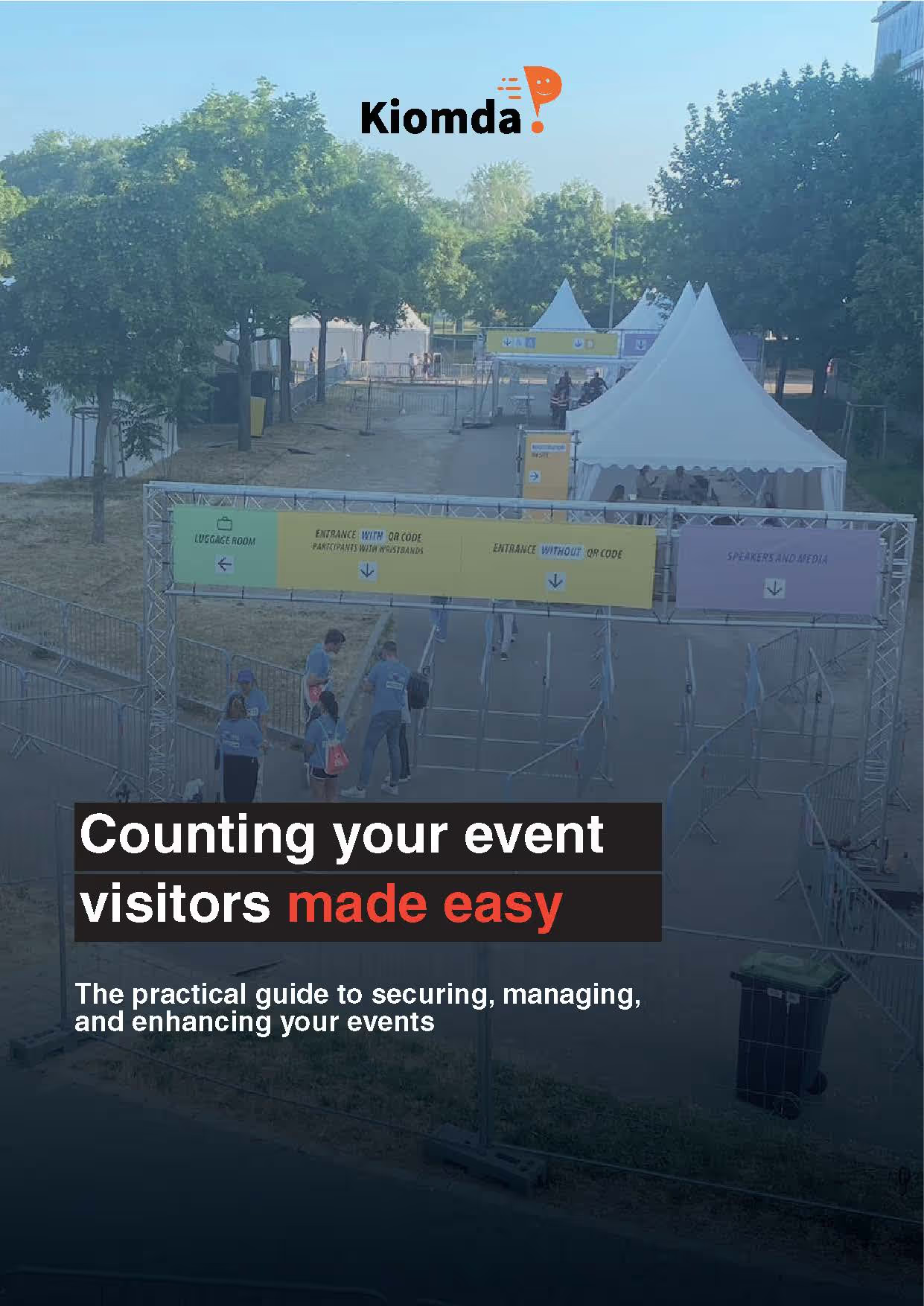
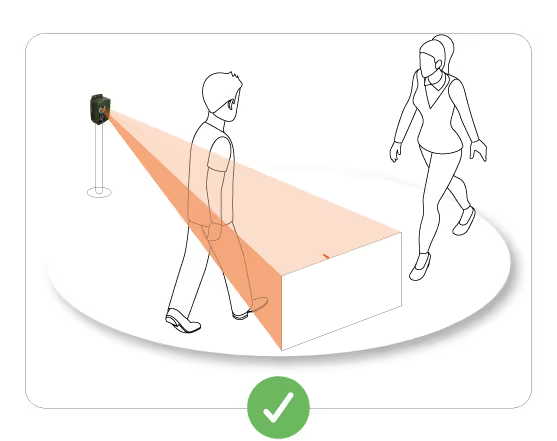
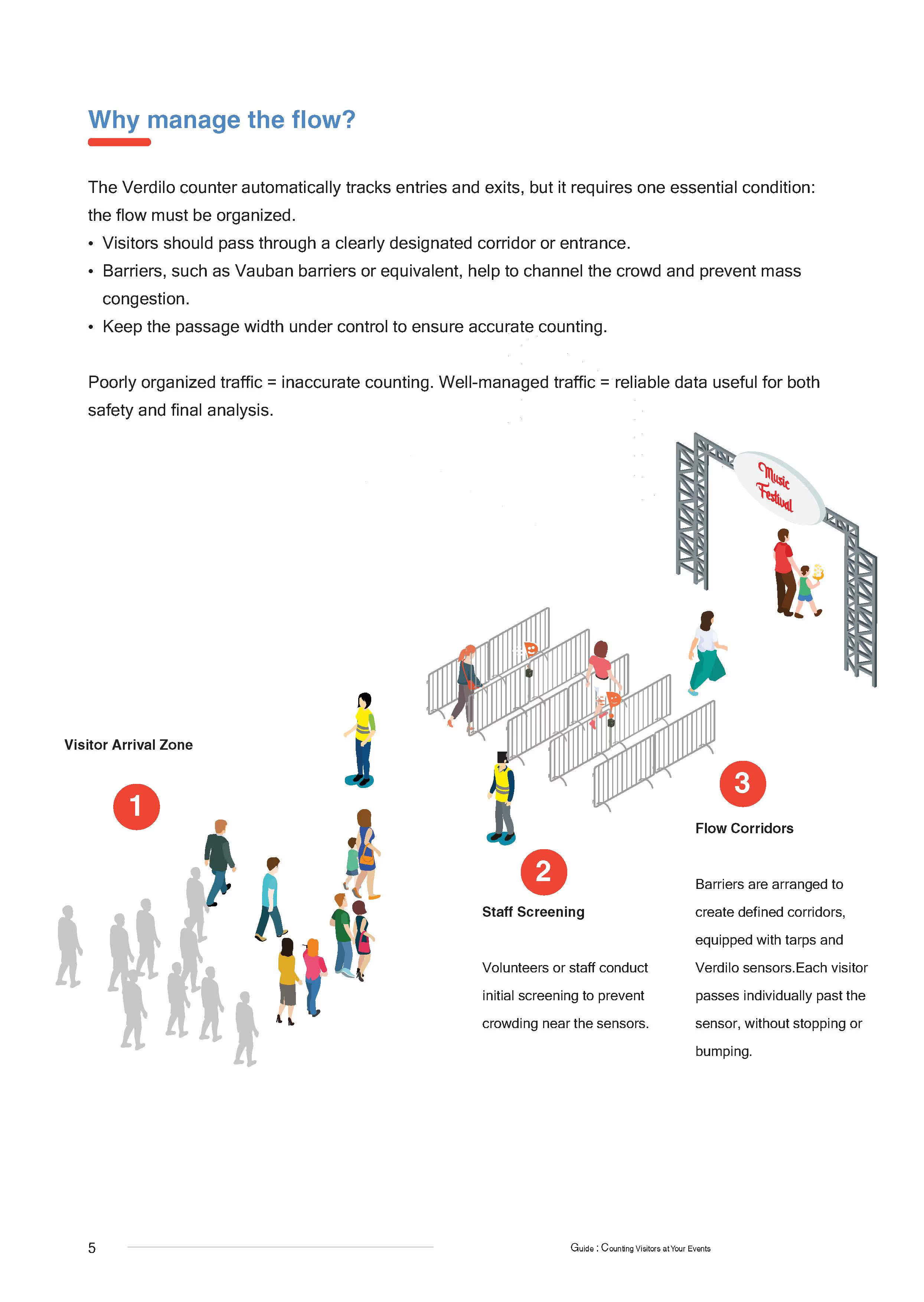
The guide insists on an essential condition: A poorly organized flow makes counting inaccurate. To obtain a reliable measurement, visitors must pass through an identified entrance, in a materialized corridor, with a controlled width (Vauban type barriers or equivalent). This logic makes it possible to avoid the mass effect and to ensure that each passage is well detected.

Valuing and communicating your results

Once the security constraint has been mastered, data becomes a strategic asset. The guide details the most frequent uses:

  • justify subsidies (verified figures),
  • convince sponsors (proven visibility),
  • strengthen communication (concrete assessment),
  • compare editions (progression).

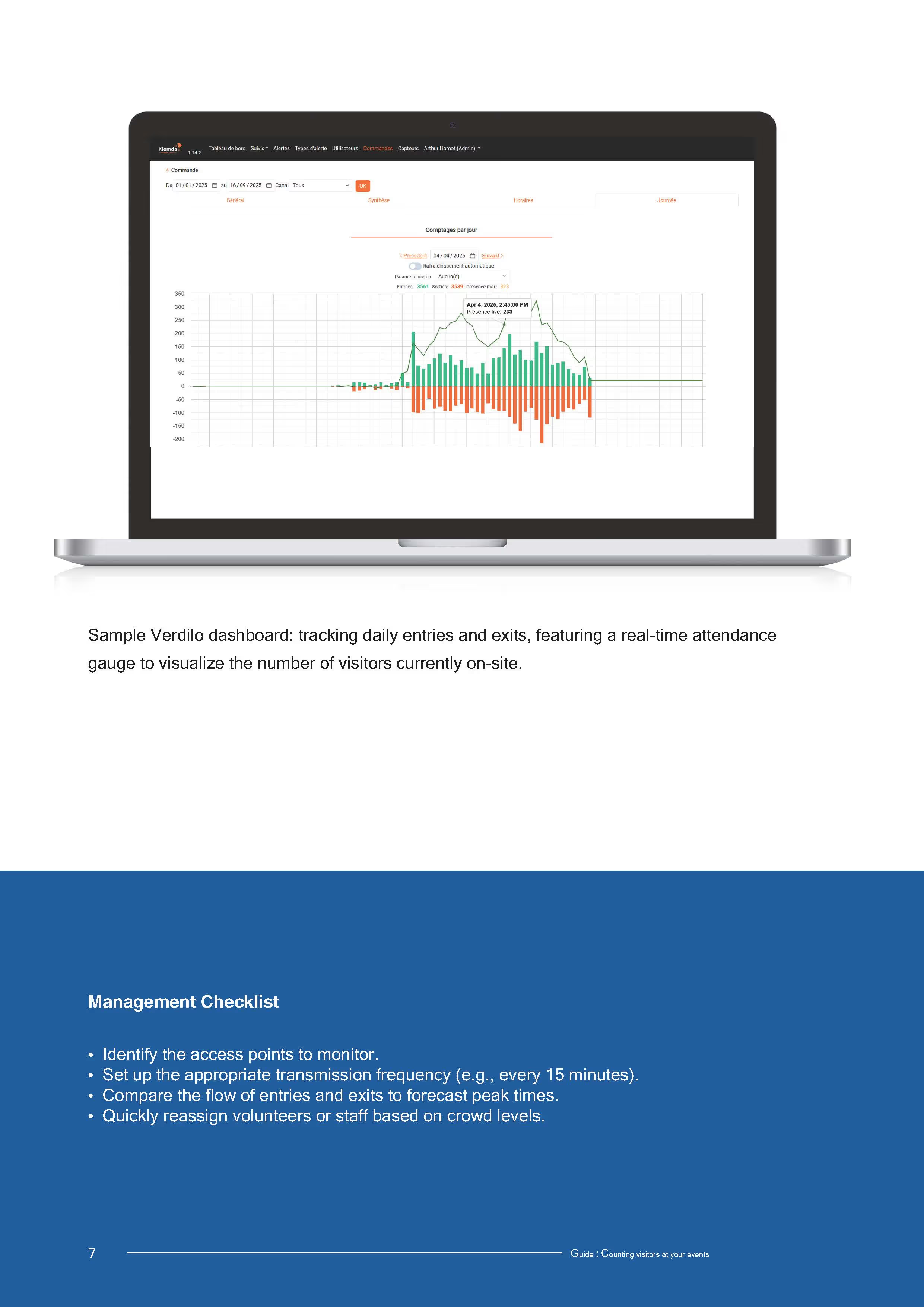
He also insists on the importance of having ready-to-use outputs: readable graphs, comparisons, quick reports, in order to feed your files and reports without requiring days of work.
Key points

What you are going to get

  • A clear reminder of ERP obligations and the need for data reliable, archivable and communicable.
  • Field conditions for an exploitable count: piped flows, corridors, barriers, controlled width.
  • A method for pilot the event (peaks, reassignment of teams, comparison of accesses), with checklist.
  • A simple framework for valorize the results (grants, sponsors, communication, reports), with exports and checklist.

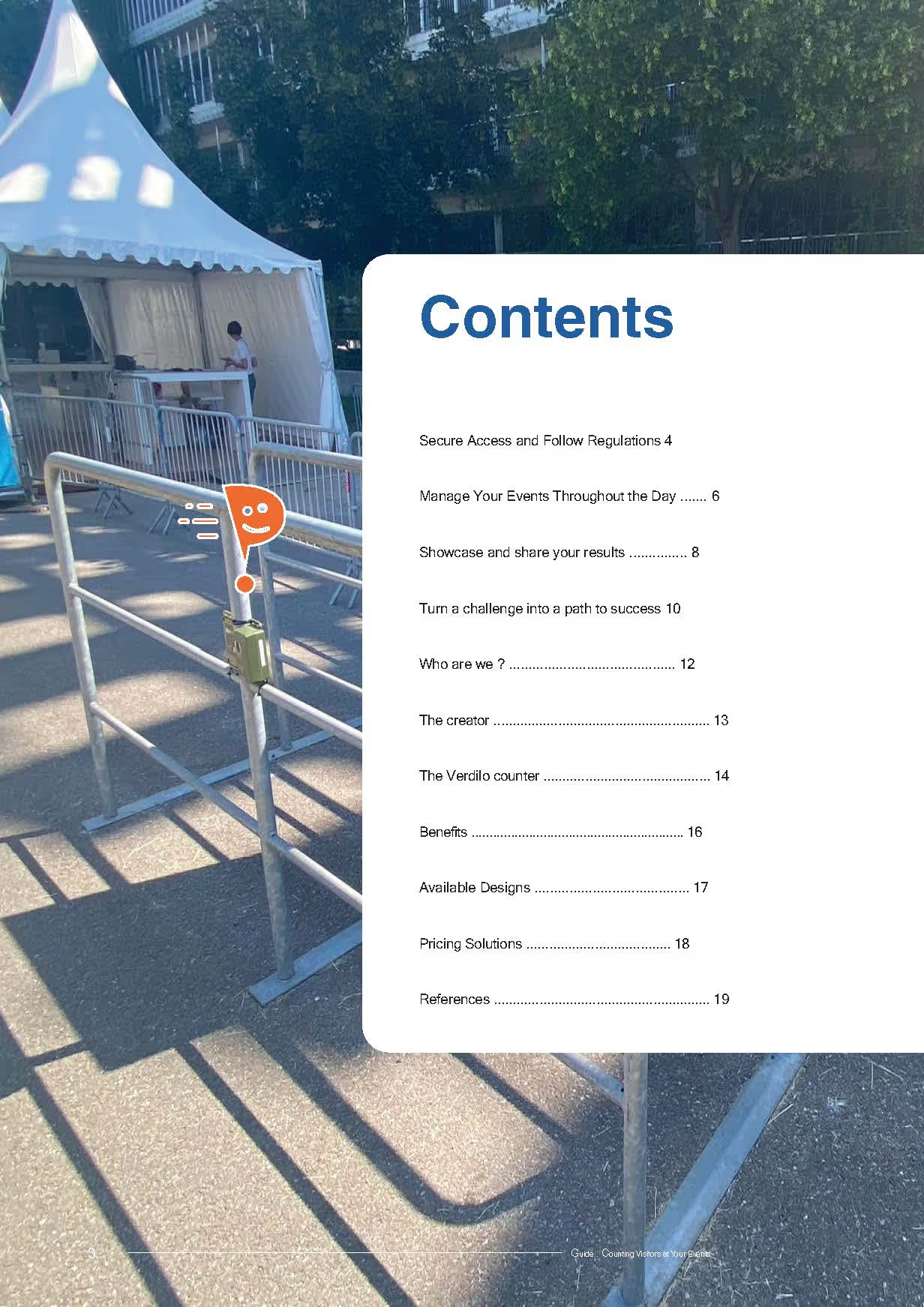
Table of contents
  • Secure access and respect regulations
  • Manage your events during the day
  • Valuing and communicating your results
  • Transforming a constraint into a driver of success
Customer
Background
Benefit

Natural spaces: go further

Discover how Kiomda measures attendance on natural sites, and which configurations are the most adapted to your challenges (flow, direction of counting, terrain constraints).

Espaces naturels illustration : sentier de montagne

Events: To go further

Discover how Kiomda measures attendance at events, and which configurations are the most adapted to your challenges (flow, direction of counting, field constraints).

évènement compter passages visiteurs illustration file d'attente et compteur
icone signal

Customer stories

icone roue crantée

Practical guides