English
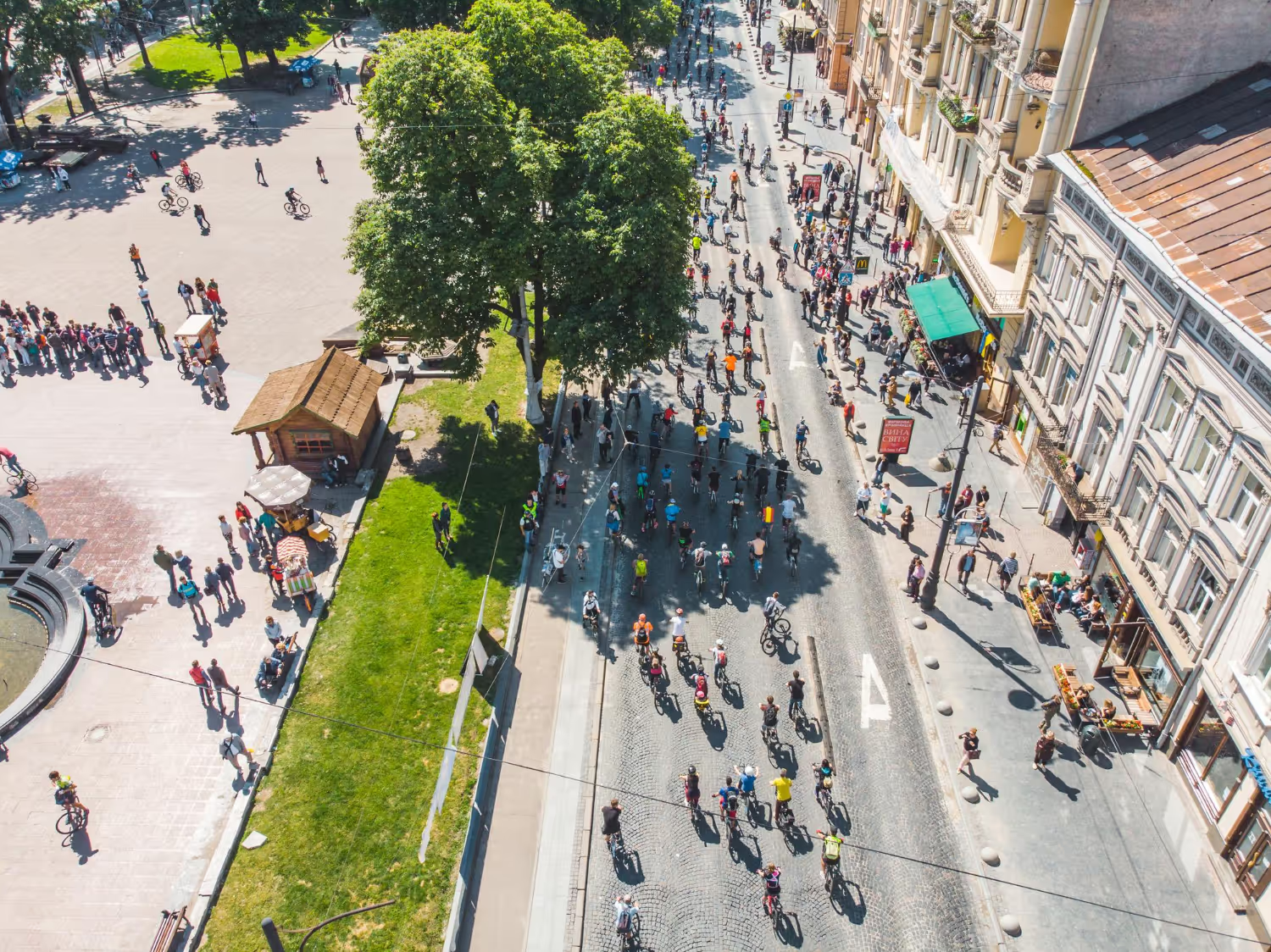
In many territories, mobilities are not isolated: pedestrians, cyclists and vehicles follow one another, intersect or use the same access. Sometimes in a shared space, sometimes in parallel circulations. The visual brings together the most common situations where several types of uses coexist — and where it becomes essential to know who is circulating, when and in what proportions.
In most cases, yes — a natural passage point is sufficient.
Traffic flow, hourly peaks, seasonal trends, attractiveness.
No installation, no wiring. A single passage point is sufficient.
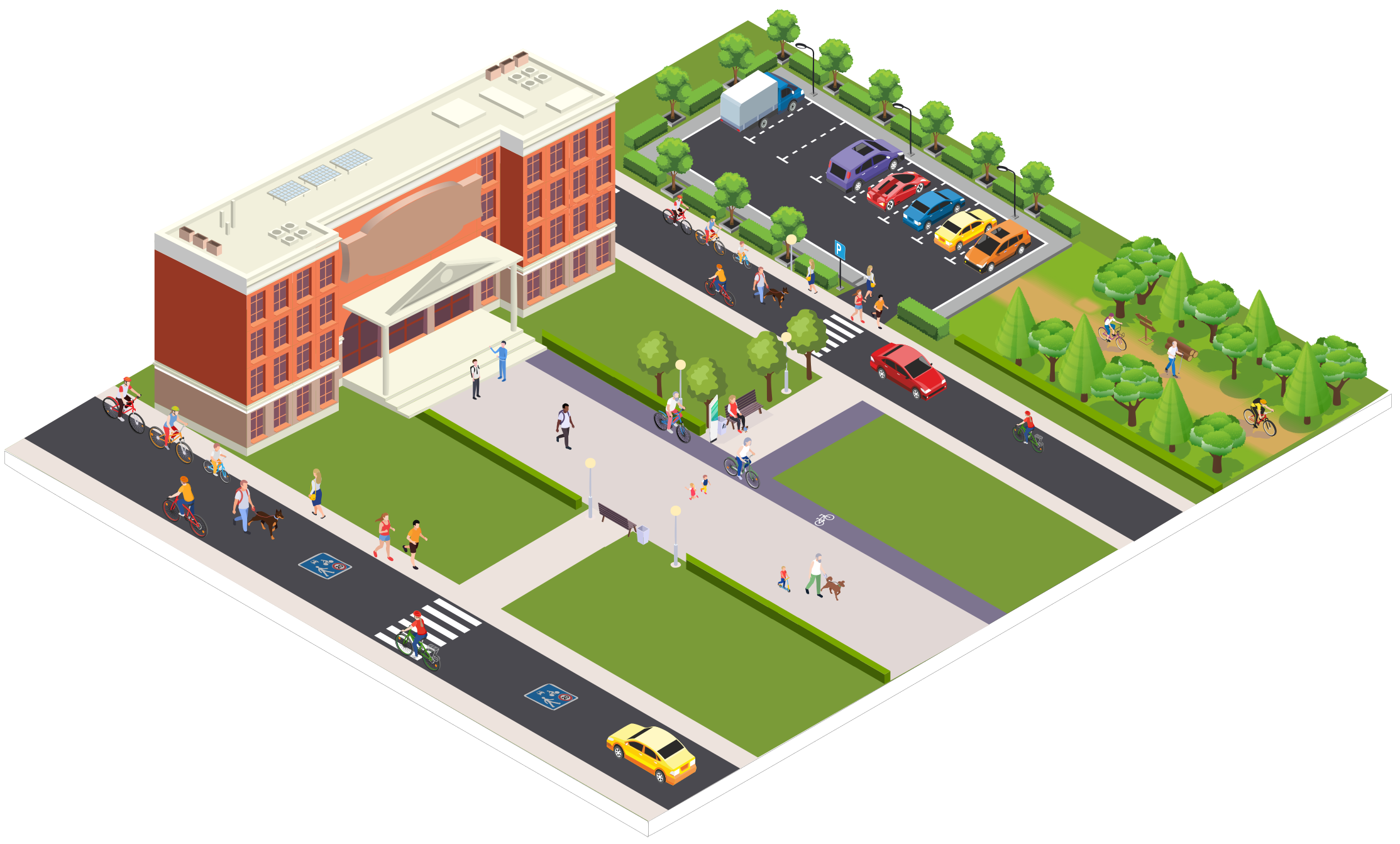

































In many sites, the uses are never homogeneous. Pedestrians, cyclists and vehicles sometimes travel in the same place, sometimes at different times, sometimes on parallel but interdependent paths. Without measurement, it is difficult to understand how these mobilities really combine: who uses the space, when, and in what proportions.
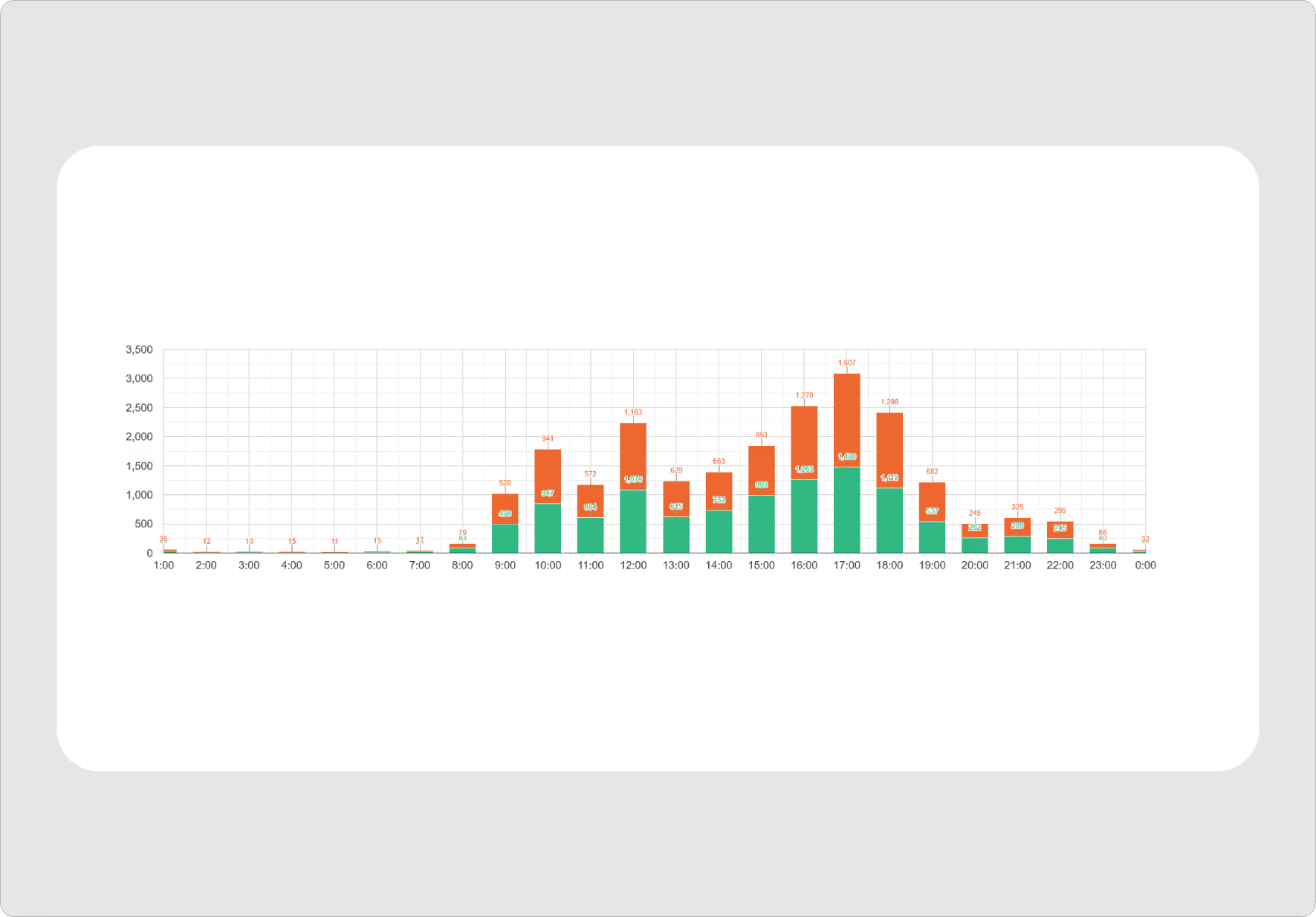
Cohabitation can seem fluid or conflicting at different times: measuring each use separately shows where and when interactions become sensitive.
To choose what to secure, where to appease or which mode to choose, you need to know the real part of each flow. Impressions are not enough to arbitrate.
Some modes dominate in the morning, others at the end of the day, others at the weekend or during the tourist season. Separating uses makes it possible to identify these rhythms.
The distinction between modes sheds light on applications from elected officials, technical services or funders: soft, motorized, mixed mobility... each category has its own impact.
Bicycle path, greenway, peaceful area: distinguishing who is really using the space makes it possible to assess whether the development is achieving its objective or if an adjustment is necessary.
In many places, cohabitation seems homogeneous, although it varies greatly depending on the time of day or mode. The measure reveals these nuances and avoids hasty conclusions.
Designed for outdoor environments, without construction or wiring.


Battery-powered, no mains connection required. Estimated battery life: 2+ years.

Up and running in 2 minutes, no expertise needed, delivered ready to use.

Designed for outdoor conditions, in natural or urban environments.

No images stored, fully GDPR compliant.

Independently identifies pedestrians, cyclists and vehicles depending on configuration.

View data online or retrieve it manually in areas without connectivity.
Thermal technology: the sensor reads the body heat of each user. The magnetometer detects the passage of metallic elements. No cameras, no images, no personal data.

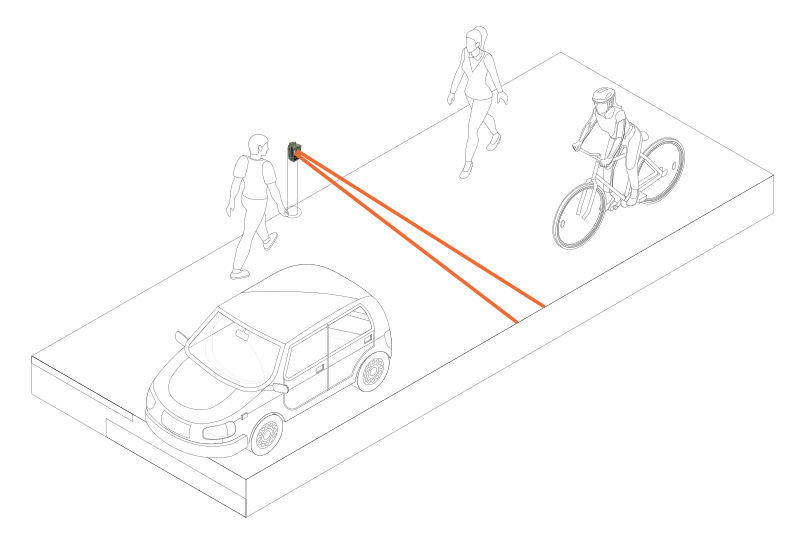
Each passage is timestamped and classified by mode and direction.
Data is aggregated into 15-minute intervals directly within the device.
Depending on the chosen frequency (from 5 minutes to 24 hours), the device sends its data via the available network.
If there's no network, local Wi-Fi data collection is still possible.
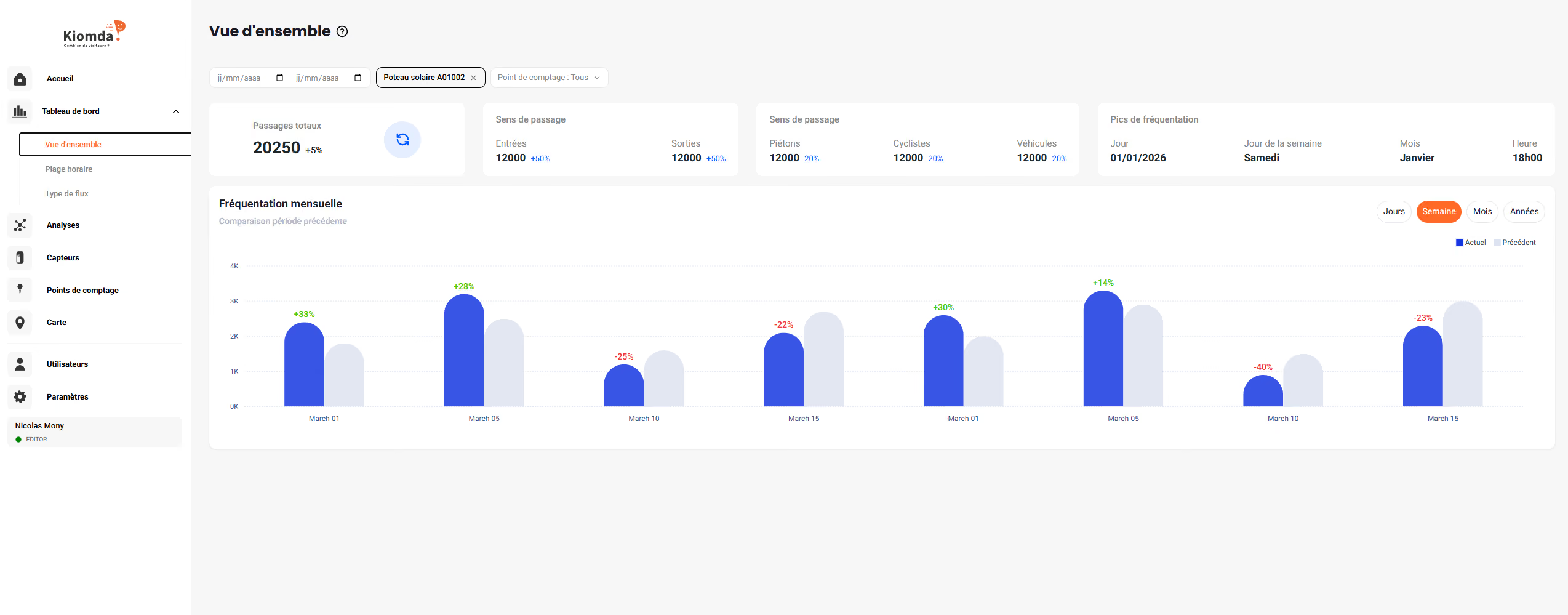
The Kiomda Report platform displays hourly curves, daily totals, and seasonal comparisons from any browser


The standard casing is weather-resistant and designed for outdoor use. Its sleek and discreet design blends naturally into urban and natural environments.


A reinforced, vandal-proof casing, perfectly suited for public areas. This model is designed to withstand all types of damage.


A birdhouse that blends into natural environments – ideal for nature reserves, parks, and protected areas.


A wooden post that completely conceals the sensor — ideal for greenways, rural paths, and heritage sites where visual impact must be minimal.

Case Studies

Each site is different — we help you choose the easiest and most reliable configuration.



.avif)


.svg)