English


A street festival, a cycling sportive, a market along the high street — events on public roads attract audiences, boost local footfall and strengthen community ties. But they also require a structured approach to authorisations. Without the right permits, your event may be stopped, fined or refused next year. This guide walks you through the essential steps.

Regulations vary by country and municipality, but most jurisdictions share the same underlying logic: any temporary occupation of a public road or public space falls under local authority control, with additional oversight from police, fire and civil protection authorities depending on the event's scale.
The first step is always to contact your local council (municipality or equivalent) to identify which department handles event licensing in your area. In many countries this is a dedicated Events or Licensing team within the council; in others, it falls under the Highways or Public Realm department.
💡 Safety Advisory Groups (SAGs) — In many countries, major events go through a multi-agency Safety Advisory Group, bringing together the council, police, fire, ambulance and sometimes the highways authority. SAG meetings typically begin 3–6 months before large events. Contact your local council events team early to find out whether your event requires a SAG.
Occupying public space — whether a road, square or pavement — is not free. Most authorities charge a public space occupation fee calculated on the area used and the duration of occupation. Fees vary enormously: a small street stall for one day costs a fraction of what a week-long festival footprint attracts.
Most councils and authorities require a single application package. Assemble the following documents before making contact — it signals professionalism and speeds up the process considerably.
If your event features live or recorded music in public, you need a performing rights licence. This covers the rights of songwriters and publishers. In most countries, a single national collecting society handles public performance licensing — contact the relevant body in your territory (e.g. PRS for Music + PPL in the UK, SACEM in France, GEMA in Germany, SGAE in Spain). Failure to obtain a licence exposes you to significant financial penalties.
Any temporary structure — stage, grandstand, marquee, fencing — must comply with local fire safety and structural regulations. A structural engineer's sign-off certificate may be required for stages and grandstands. The local fire authority will typically inspect large structures before the event opens.
All food traders must hold a valid food hygiene registration and comply with local food safety law. In many countries, mobile traders must notify the environmental health department of the council in advance. Check whether your jurisdiction requires a temporary food stall licence on top of the event permit.
Outdoor amplified music is subject to local noise ordinances. Check the permitted hours and decibel limits with your council environmental health team before programming your sound system. Exceeding limits can result in an immediate notice to cease amplification.
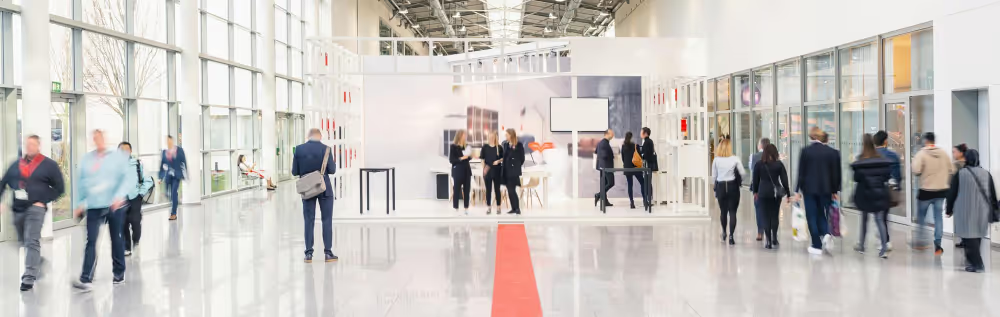
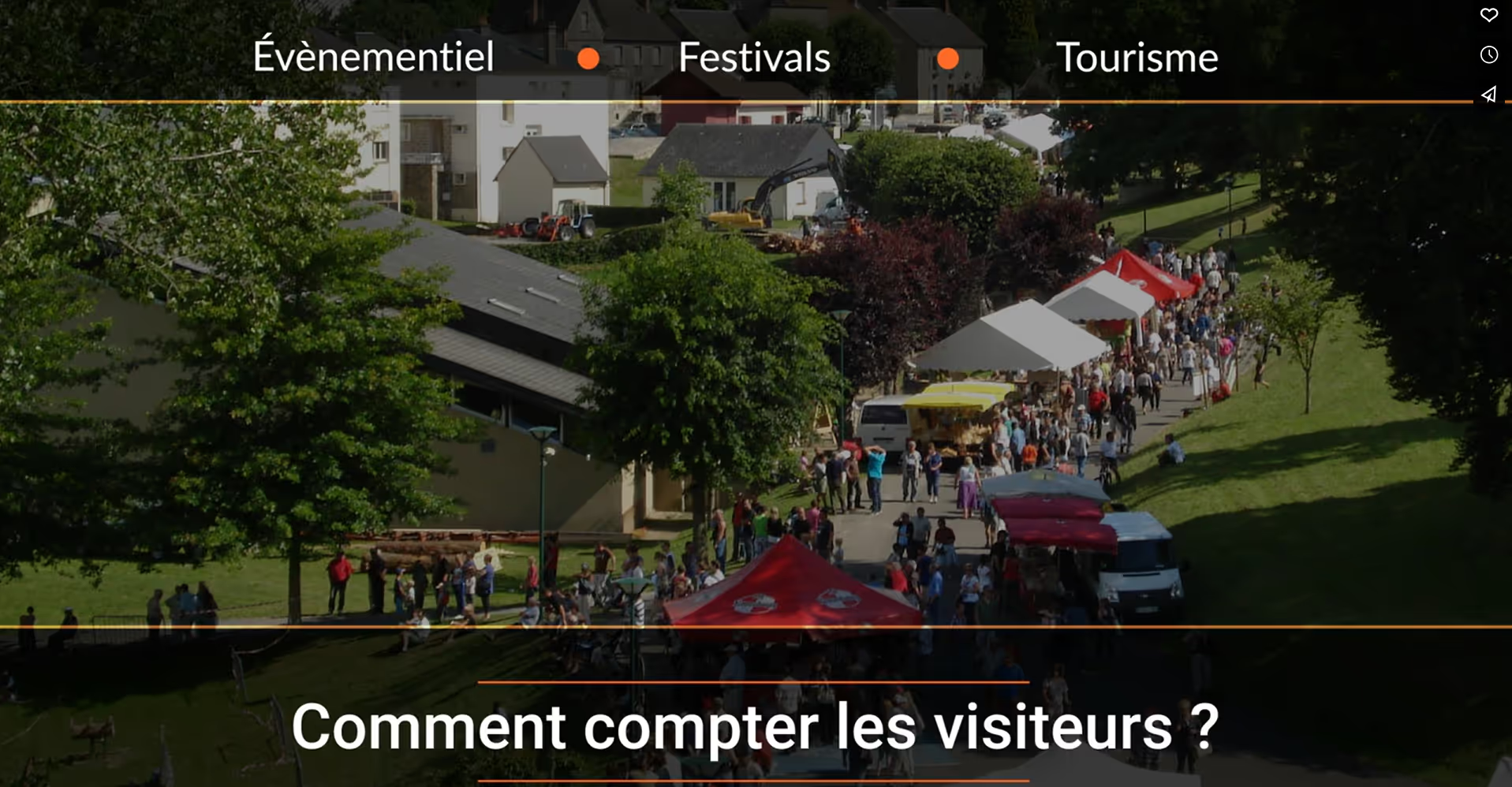
Authorities increasingly ask organisers to justify the scale of their permit application with real data. An event that claims "5 000 attendees" but cannot provide independent counting evidence may find its permit conditions tightened — or its road closure request refused.
Reliable attendance data, captured by a calibrated counting sensor, serves three purposes:
Organising a public road event is entirely manageable — provided you start early, build your application file methodically, and maintain an open dialogue with the local authority's events team. The permit process exists not to obstruct events, but to ensure they run safely for everyone. Demonstrating professionalism — clear plans, adequate insurance, reliable attendance data — is the most effective way to earn the trust of the authorities and secure your permit year after year.
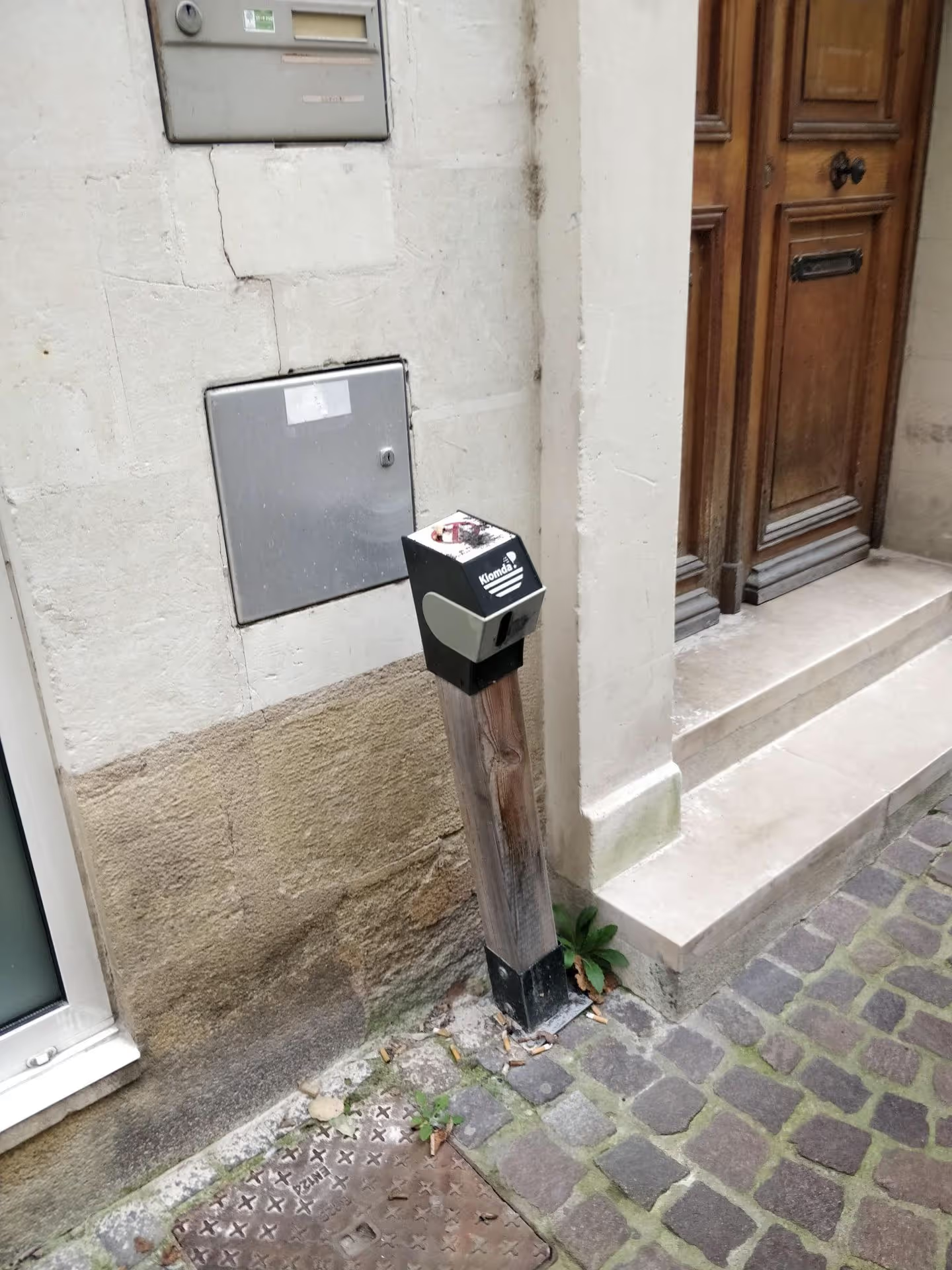
Need to measure footfall at your next event? Contact Kiomda to find out how Verdilo can be deployed in hours, with no installation works.



.jpg)

.svg)




.avif)