

English


_logo_2015.svg)
In a sensitive natural area that is open and does not have a ticket office, the Corrèze Departmental Council has chosen to move from an empirical estimate to an objective measure of attendance. The installation of two meters made it possible to establish an initial numerical base, to better understand the uses and to anchor the data in internal practices.

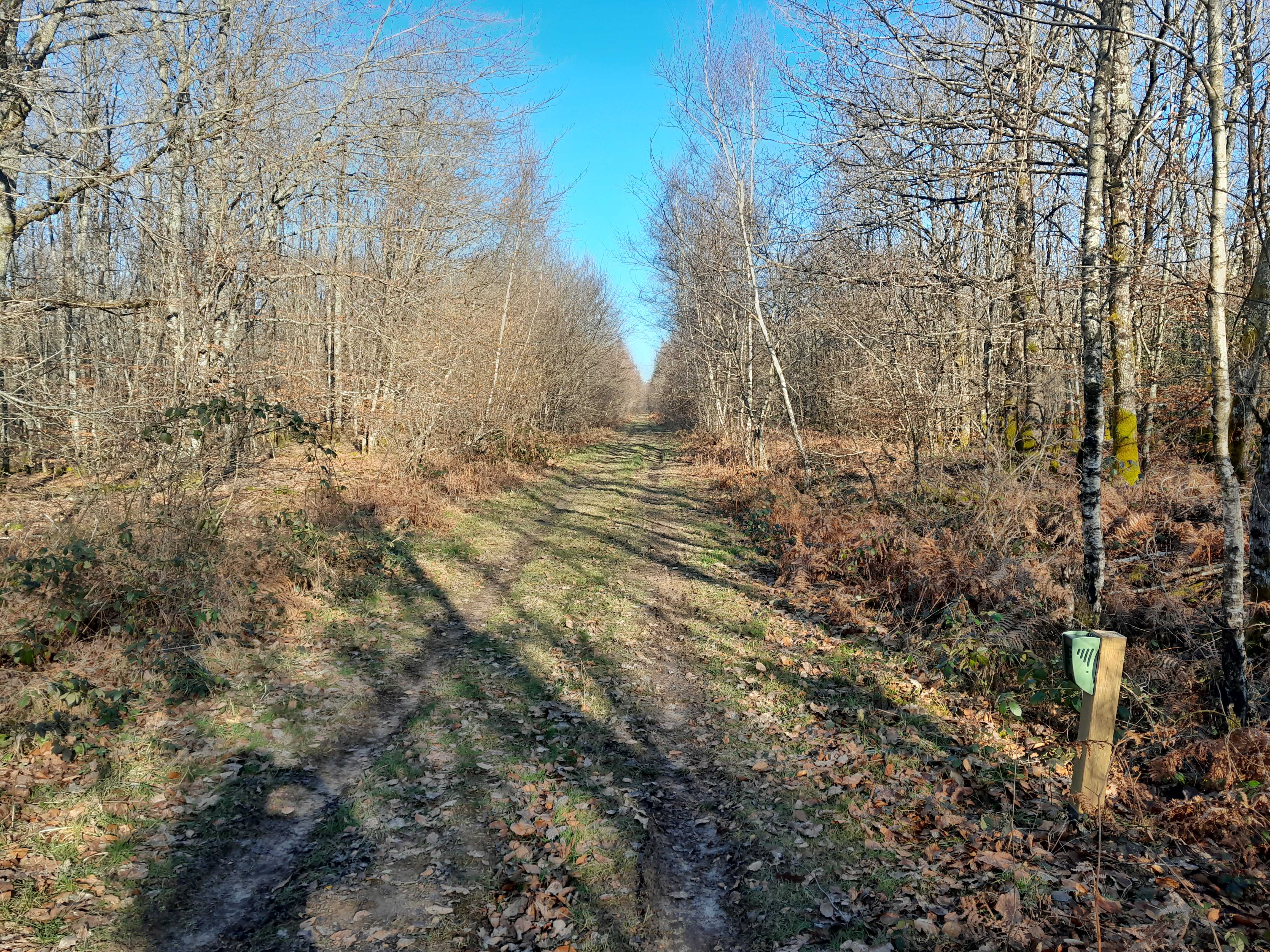
The Argentat-sur-Dordogne Departmental Biodiversity Reserve has a frequent configuration in natural areas: free access, without a control point, making attendance difficult to measure.
“The departmental council manages various spaces whose purpose is to welcome the public [...] these sites report on attendance. [...] I did not have the concrete and scientific means to increase attendance.”
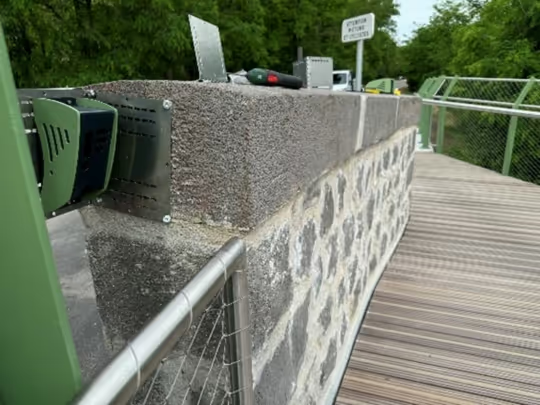
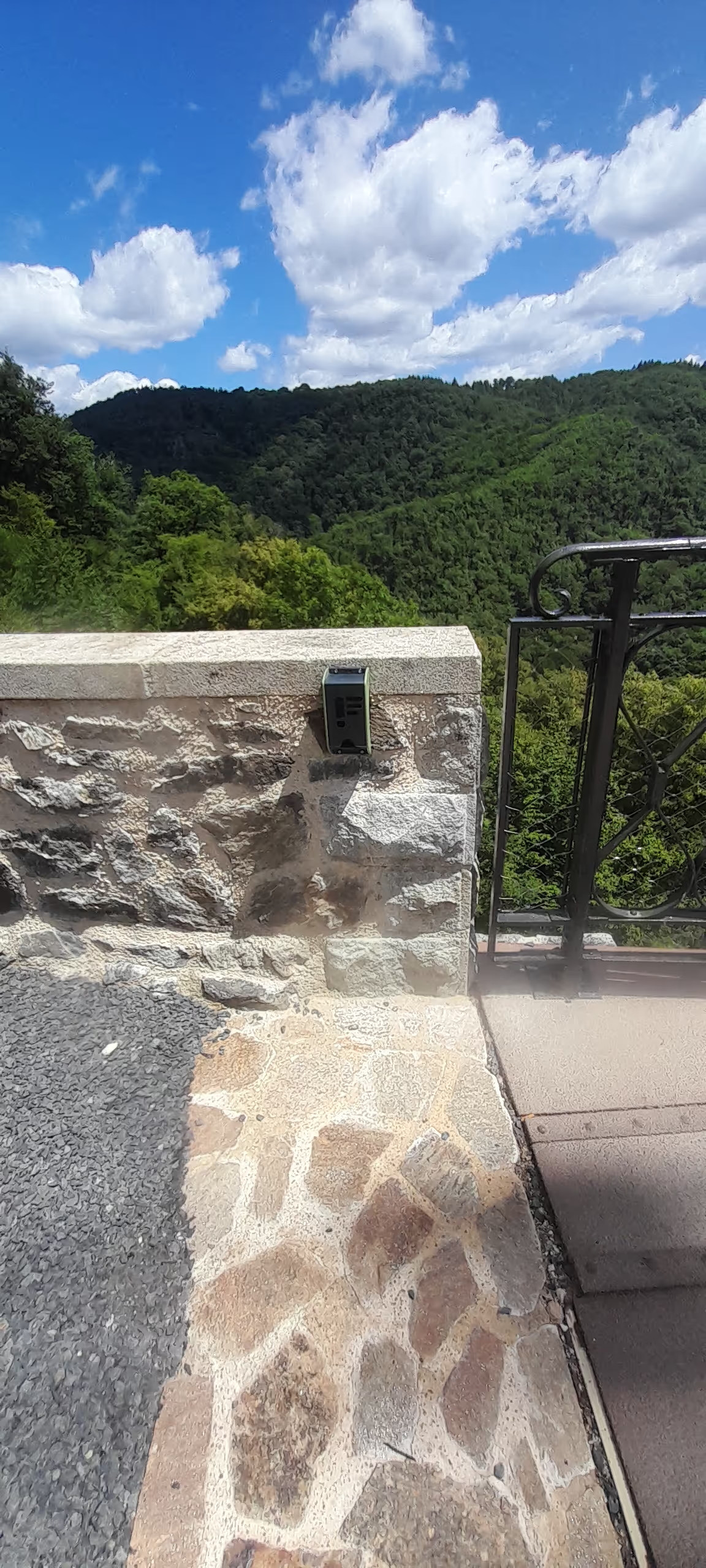
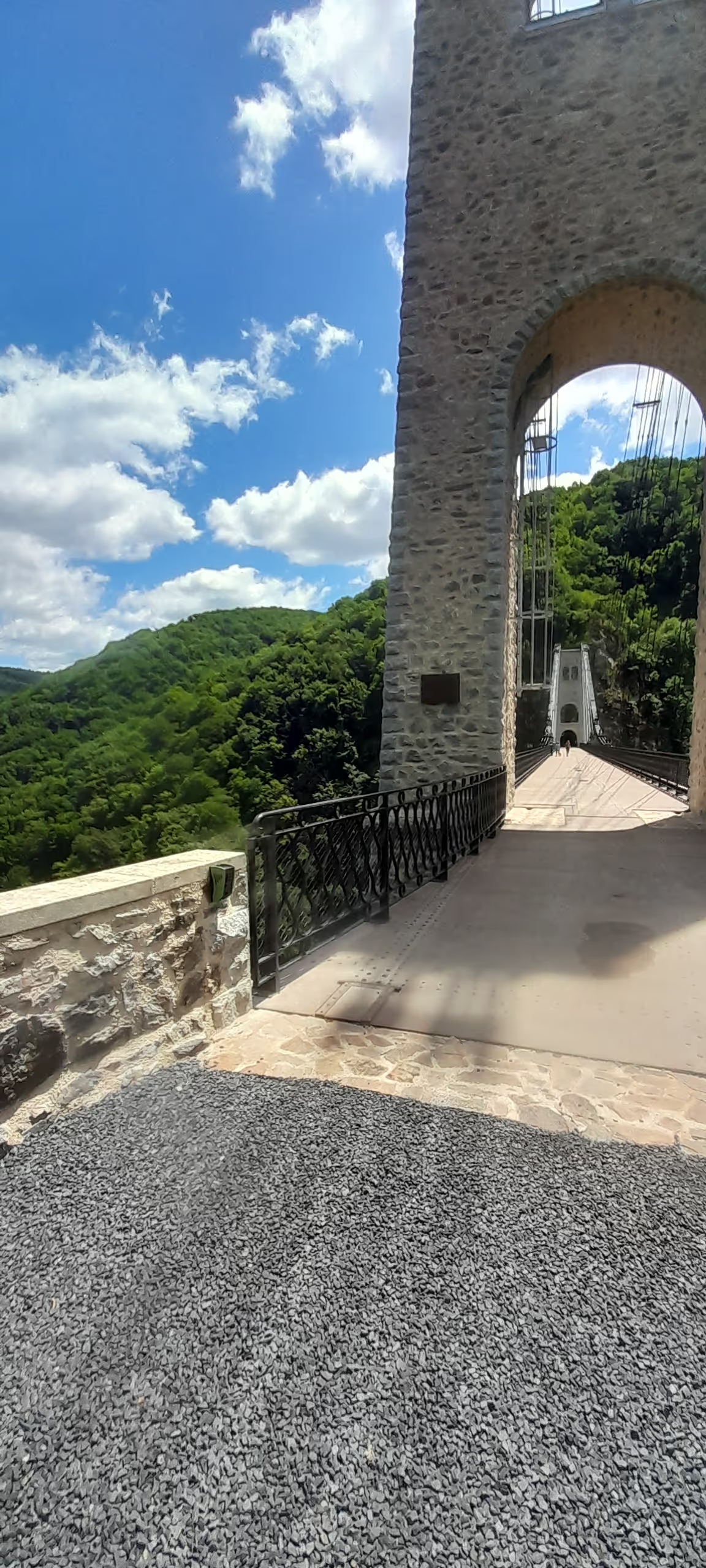
Faced with this limit, the choice was made to install two counters, positioned at the main entrances to the site, in order to structure an initial monitoring base.
“That's why we decided to install two meters at the two main entrances to this site.”
One point of vigilance was the reliability of the data, in particular the risk of double counting associated with multiple entries. This fear was overcome thanks to the distinction of the directions of passage.
“Management thought there would be double counting, but no, because there is a distinction in meaning.”
The first data made it possible to establish an order of magnitude of attendance, hitherto unknown.
“This allowed us to finally know how many people were using the site, and to evaluate the flow in a numerical way, more than an intuition. We have an attendance base of 30,000 to 40,000 per year — to be refined.”
The Argentat-sur-Dordogne Departmental Biodiversity Reserve has a frequent configuration in natural areas: free access, without a control point, making attendance difficult to measure.
“The departmental council manages various spaces whose purpose is to welcome the public [...] these sites report on attendance. [...] I did not have the concrete and scientific means to increase attendance.”
Faced with this limit, the choice was made to install two counters, positioned at the main entrances to the site, in order to structure an initial monitoring base.
“That's why we decided to install two meters at the two main entrances to this site.”
One point of vigilance was the reliability of the data, in particular the risk of double counting associated with multiple entries. This fear was overcome thanks to the distinction of the directions of passage.
“Management thought there would be double counting, but no, because there is a distinction in meaning.”
The first data made it possible to establish an order of magnitude of attendance, hitherto unknown.
“This allowed us to finally know how many people were using the site, and to evaluate the flow in a numerical way, more than an intuition. We have an attendance base of 30,000 to 40,000 per year — to be refined.”
Beyond the volume, the data revealed significant specificities of use, in particular regular attendance by local users.
“There are a lot of regulars here. It is one of the most visited natural sites in Limousin.”
The exploitation of data is part of a logic of fine analysis, making it possible to exceed an overall annual reading.
“Know attendance objectively. Break down by season, day, and hour. We're looking at the details.”
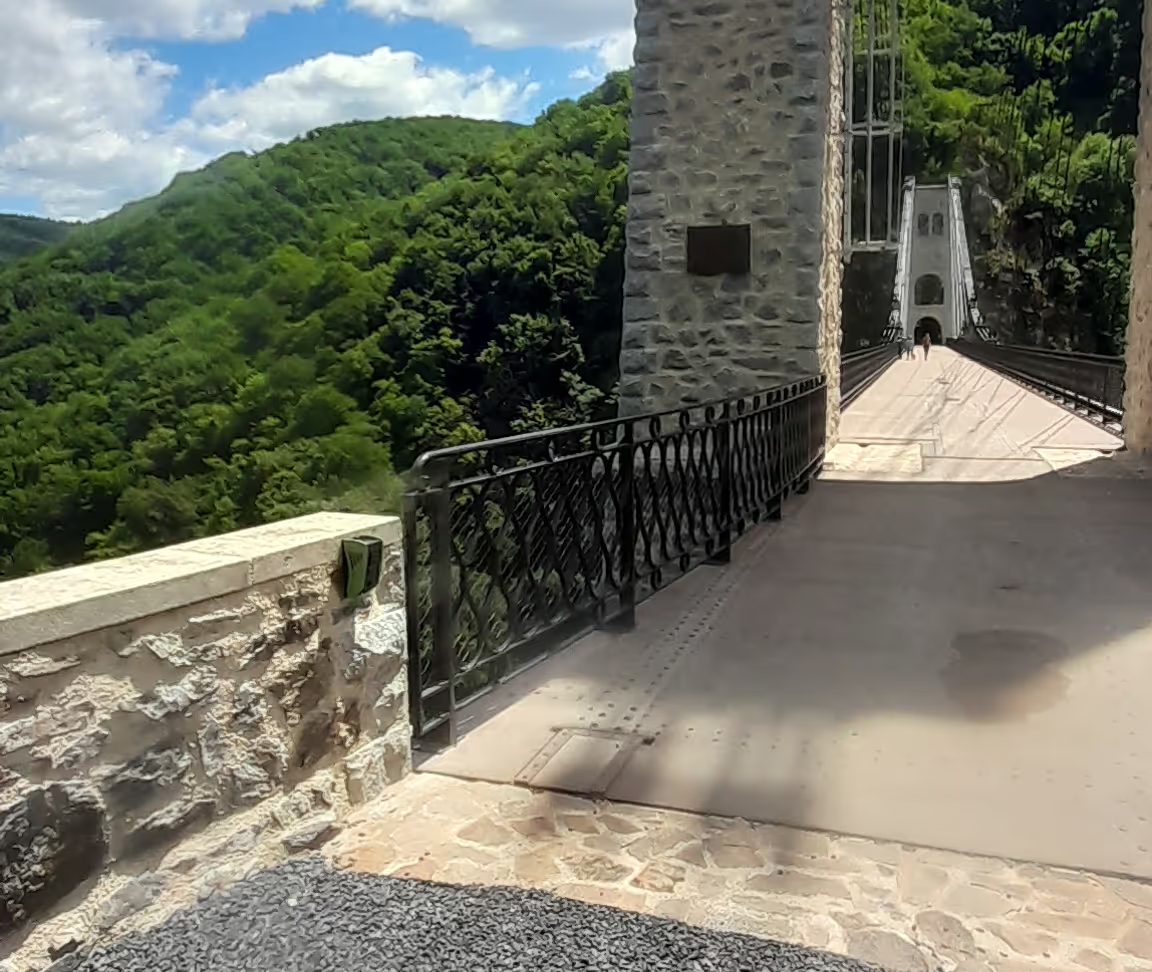
Finally, this first implementation had a ripple effect within the department, with the deployment of a new system on another heritage site.
“It made small [...] they acquired a counter to track attendance as well.”
This case illustrates a frequent reality in natural areas: before any regulatory logic, the main challenge is often to move from intuitive perception to an objectified decision-making basis.
?





.svg)
.jpg)