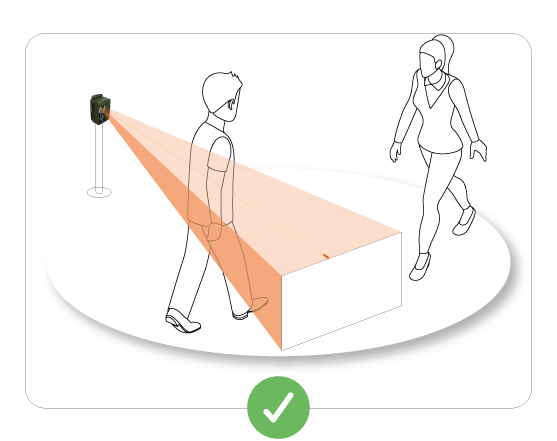
Verdilo automatically counts the passages as soon as it is installed, in both directions. Depending on the configuration, it can measure pedestrians, cyclists, vehicles, or mixed flows. The data is recorded in 15-minute intervals, then automatically transmitted to the platform (by default every 12 hours, with a customizable transmission rate according to your needs).
Counting is based on stereoscopic thermal detection. The distinction between pedestrian and cyclist is based on the speed of passage: the thresholds can be adjusted (by default, the order of magnitude corresponds to around 12 km/h for treads located 1.5 m and 3 m from the sensor). Vehicle detection is based on the strength of the magnetic field. In mixed mode, Verdilo distinguishes between soft mobility (pedestrians + bicycles) and motorized vehicles.
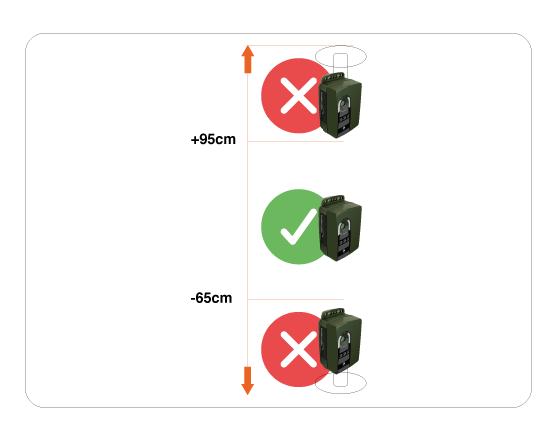
Height is a key parameter: it determines the “reading” of the passage.
For the pedestrians and cyclists, install Verdilo at 90 cm (± 15 cm).
For the vehicles, install Verdilo at 60 cm (± 15 cm).
The objective is not to be to the centimeter, but to stay in the right range and to be consistent with the flow that is actually aimed at.
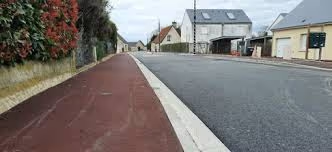
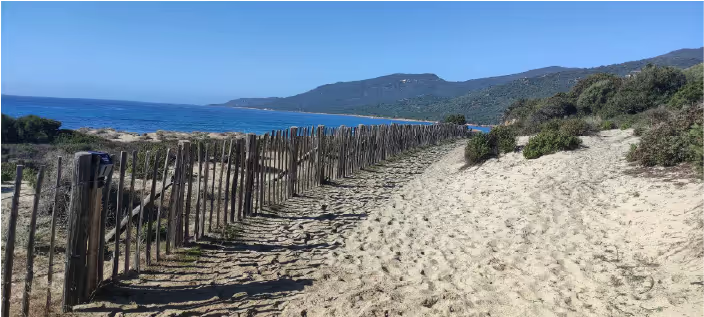
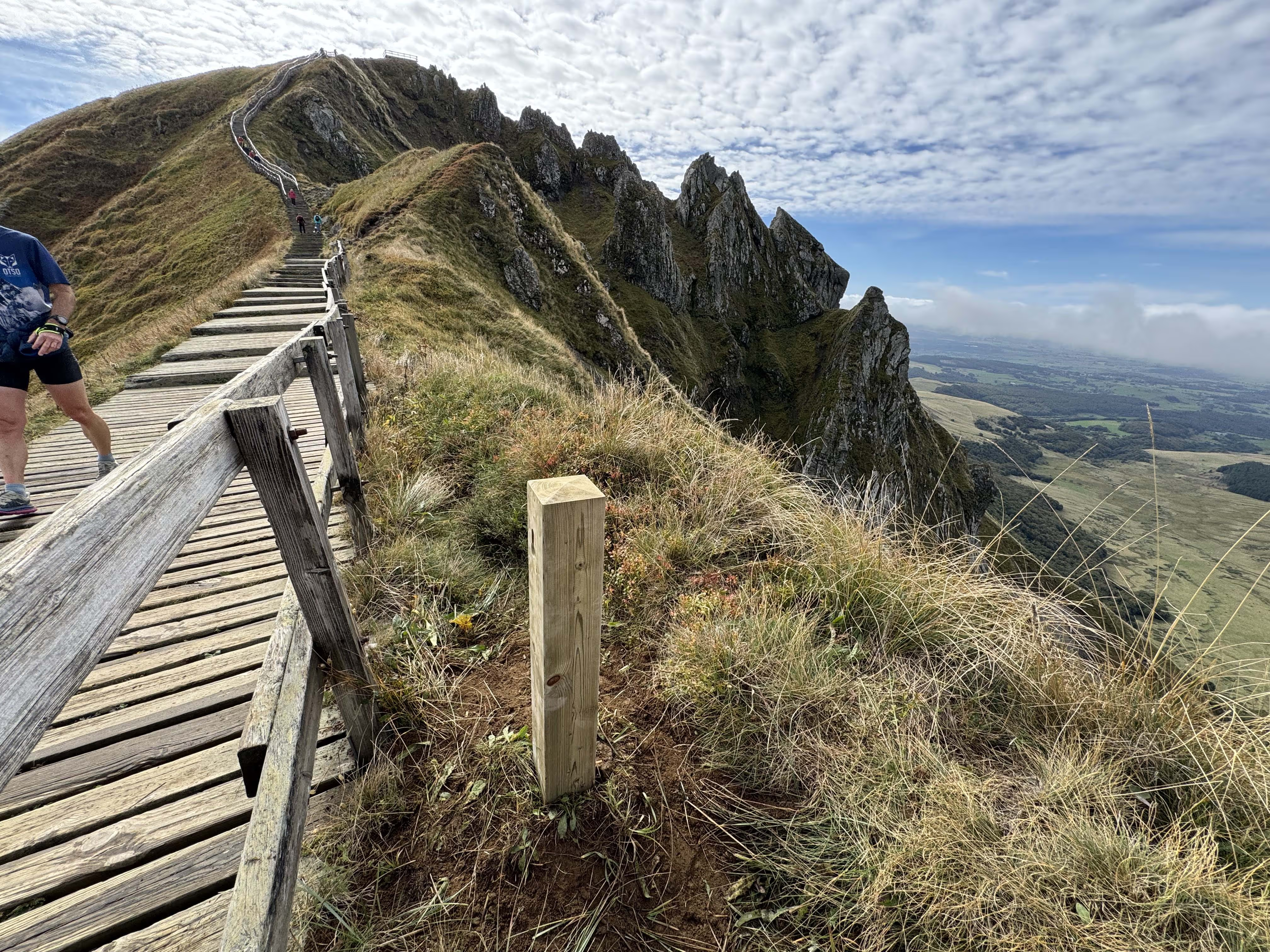
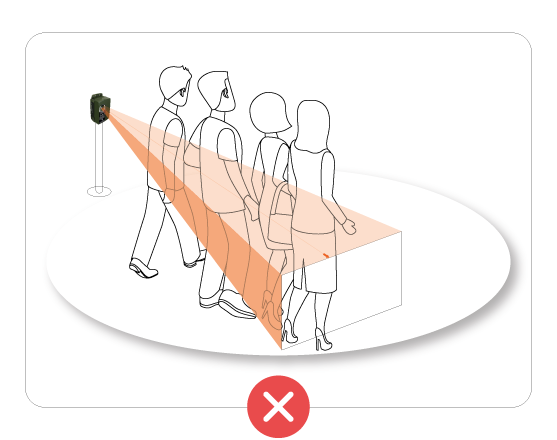
A good installation point is a point where users pass by in a simple way, with predictable behavior. Prefer a fluid and filtered passage, where users circulate rather “one by one” (or in natural file), without stopping, discussing, grouping up or crossing into each other in a pack.
For vehicles, if you have to count the two ways, the installation is more robust on a single lane (a canalized passage), rather than on a double lane where the trajectories disperse.
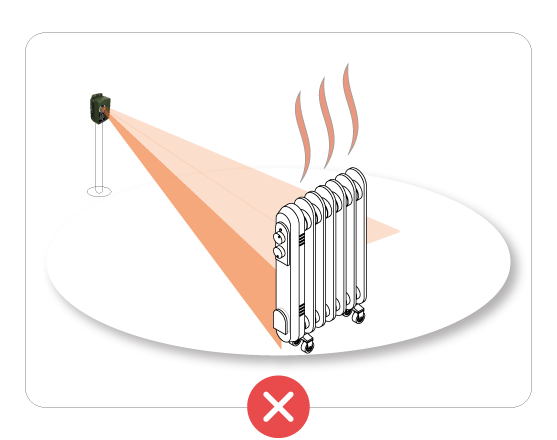
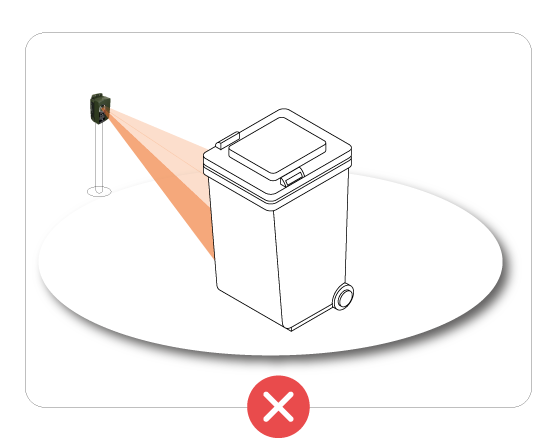
Quality depends a lot on the “scene” behind the stream. Prefer a homogeneous and thermally stable background (wall, hedge, panel). Avoid heat sources, reflections, moving shadows, or the presence of vehicles in the background.
Important point: no disruptive elements should be found in 15 meters behind the sensor. If this is not possible, move the measurement point to a “cleaner” passage (a few meters is often enough).
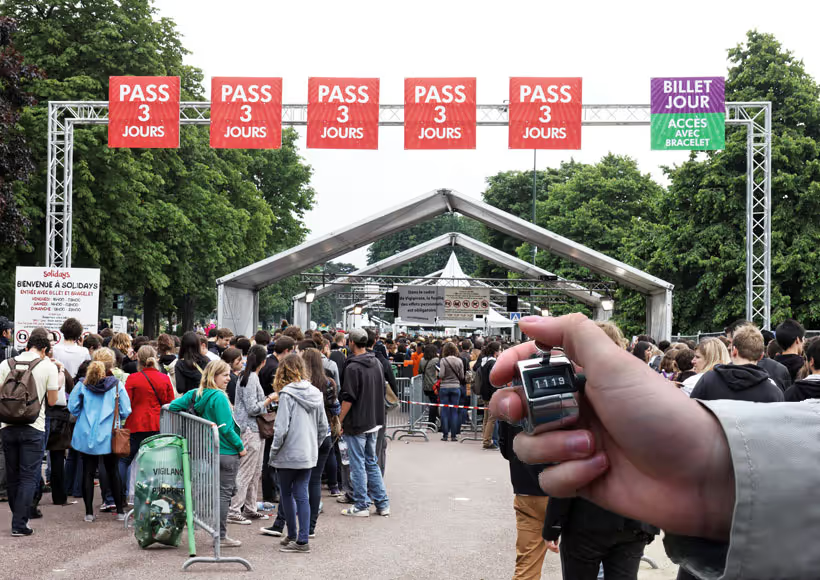
Also avoid areas where user behavior disrupts measurement: people who park, wait, chat, stop for a long time (telephone), groups that pass side by side, or flows that intersect simultaneously.
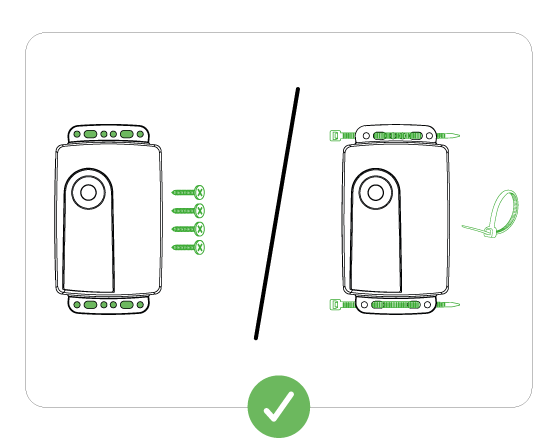
Verdilo must be fixed to a solid support: pole, street furniture, or fixing plate.
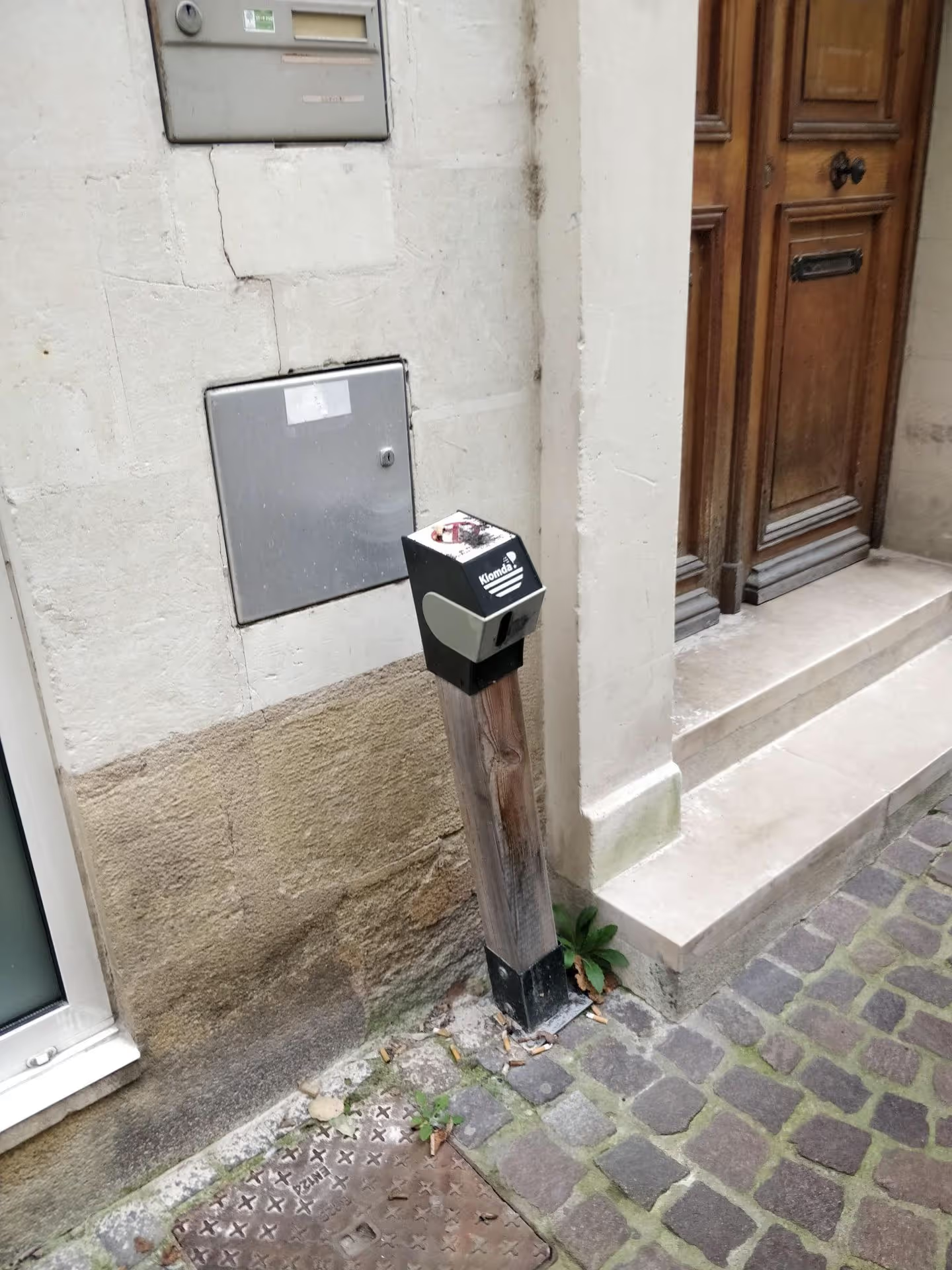
The fixing can be done by screws, metal clamps (serflex) or plastic collars (rather for temporary installation). In a protected version, the sensor can be installed in an anti-vandalism cover, a wooden nest box or a hollowed post, with optional sealing depending on the context.
The most common mistake is choosing a location that is “convenient” but not measurable: open space, intersection, break zone, or area where people intersect. The fix is almost always the same: move Verdilo to a more filtered passage, even if it's 5 to 20 meters away.
Second error: installing too high or too low in relation to the target flow. Return to the recommended heights (active modes vs. vehicles), then revalidate the orientation.
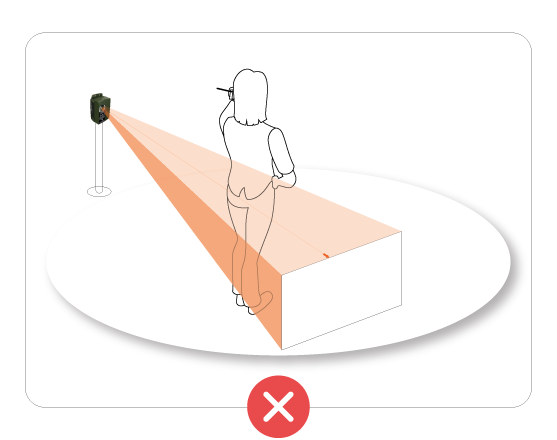
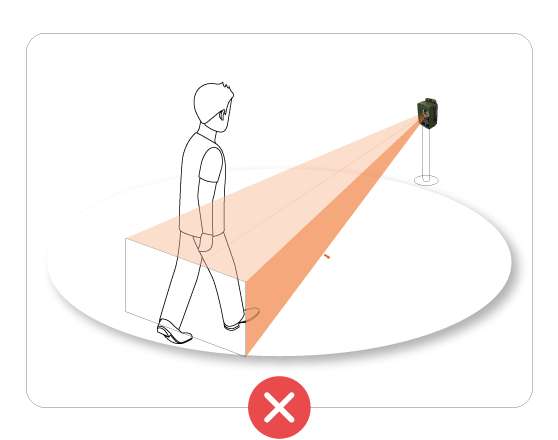
Third error: placing the sensor facing the flow, instead of having the passage cut off at 90°. Reposition to get a clean cut of the flow.
Finally, underestimating the background (vehicles, heat, reflections) can create disturbances. Simplify the scene: homogeneous background, no hot spring, no traffic behind.
Once the sensor is installed, counting starts automatically and the data is visible on the platform after the first transmissions. Depending on your use, you can keep the default frequency (every 12 hours) or choose a finer frequency to analyze hourly peaks, or more spaced out for “observatory” monitoring.
The installation determines the quality of the data. For reliable counting, choose a smooth passage, place Verdilo at the right height according to the flow (active modes or vehicles), and orient the sensor so that the beam cuts the passage at 90°. Avoid areas where users park, pass by in groups, or mix chaotically.