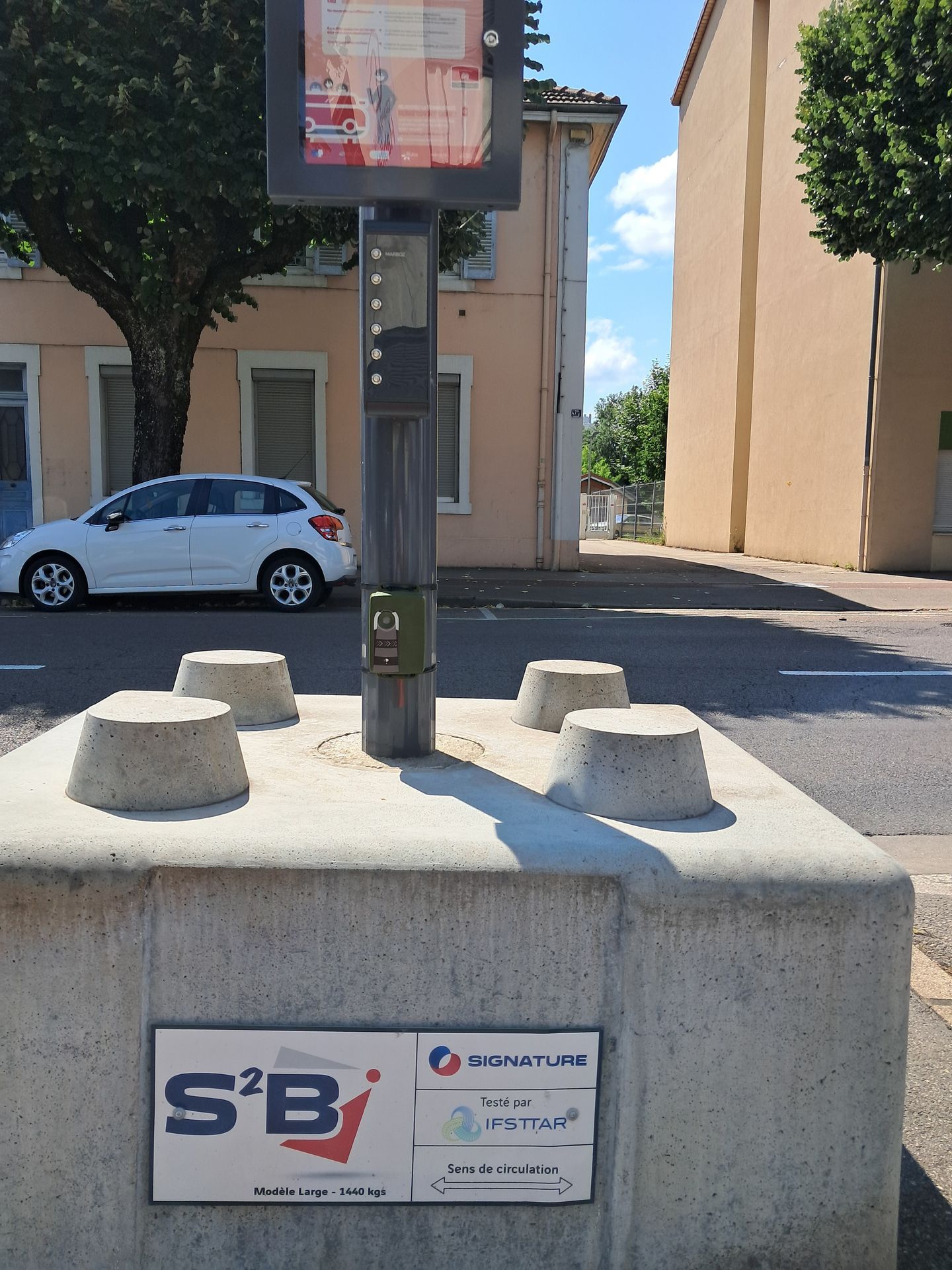
Engaged in a proactive bicycle development policy, the City of Bourg-en-Bresse has adopted a bicycle plan covering the entire municipal mandate (2020—2026).
In this context, the community wanted objectify attendance of several bicycle developments already completed, in order to better understand their real uses and their coherence at the network level.
The choice of a six-month rental aimed to cover a sufficiently representative period, including:
The idea was to have a sufficiently long period, with varied weather conditions, to have usable data with high points and low points.
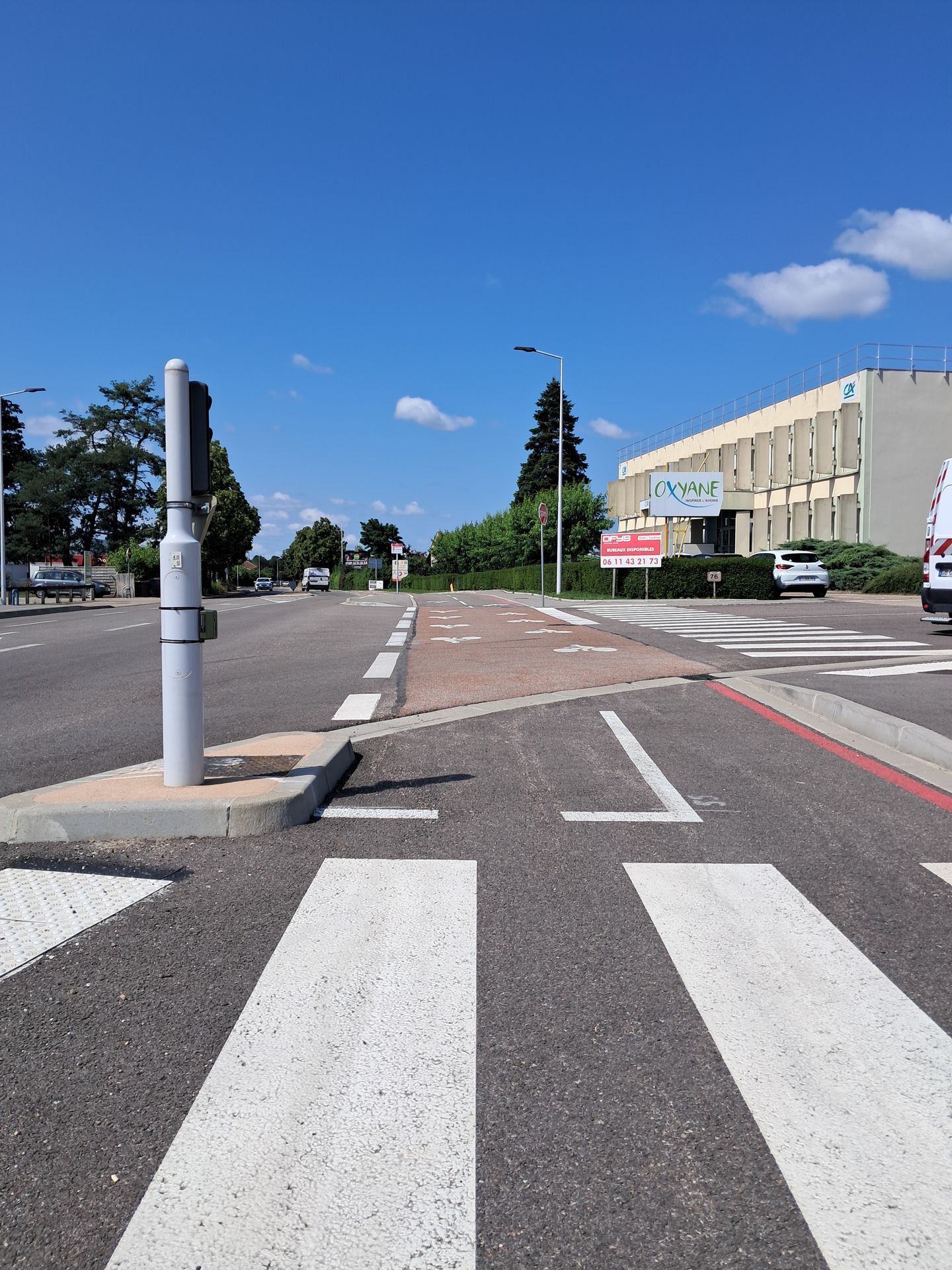
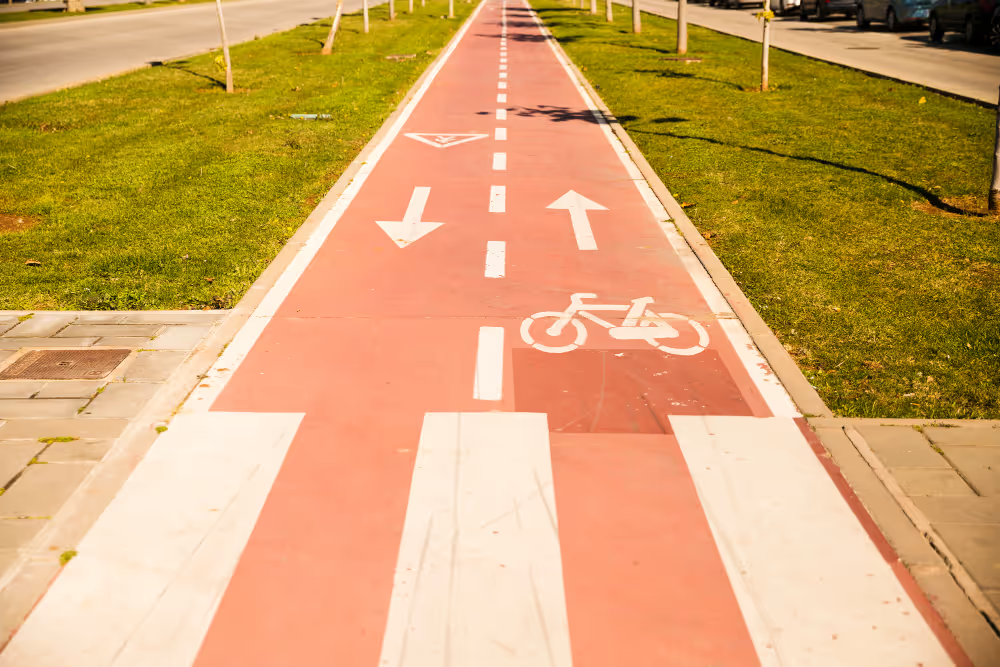
The meters were installed on several structuring urban axes, including bike paths and lanes:
These sites make it possible to observe various configurations of cycling facilities in dense urban areas.
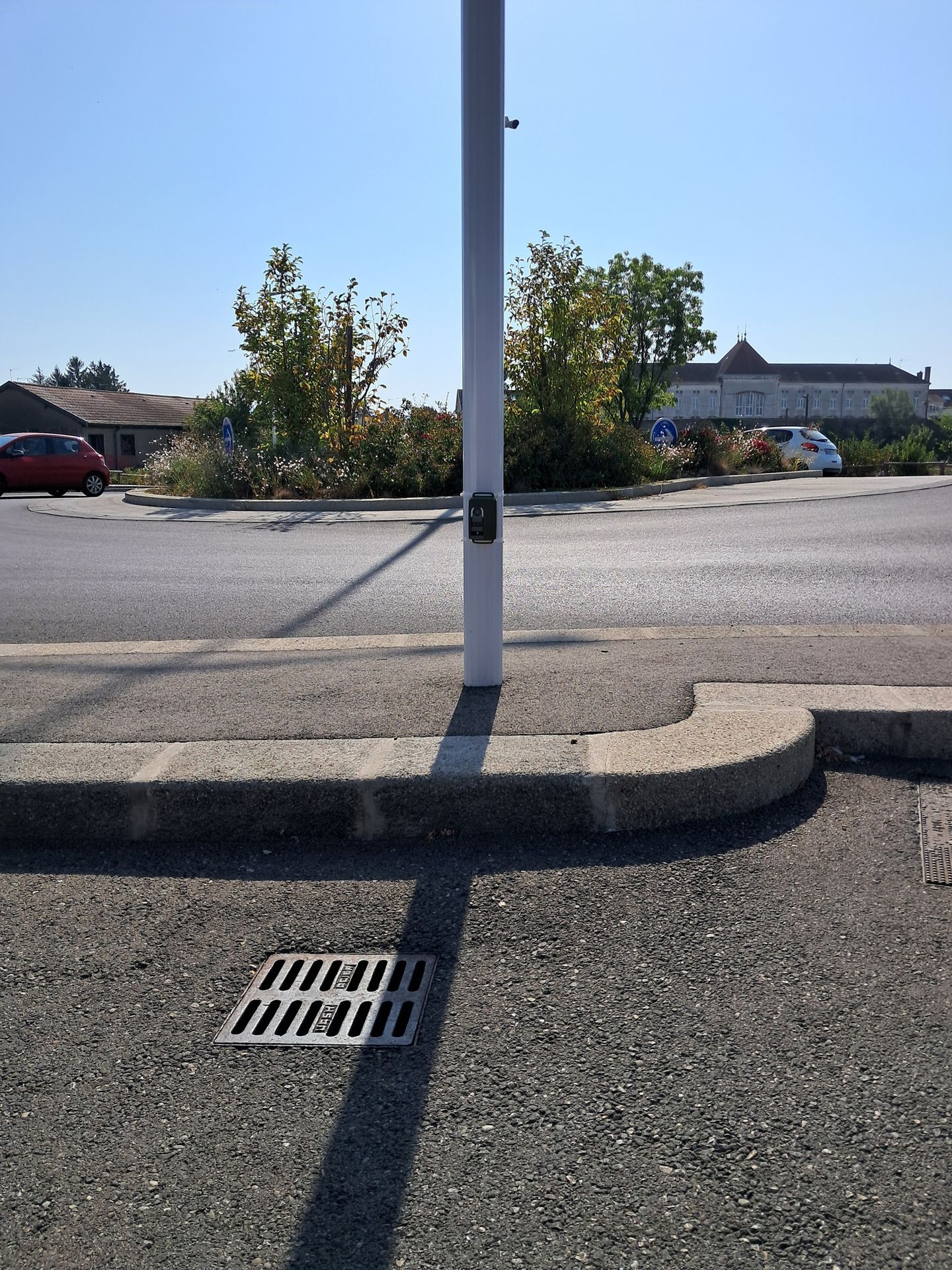
Kiomda supported the City of Bourg-en-Bresse via the rental of counting boxes over a period of six months, including:
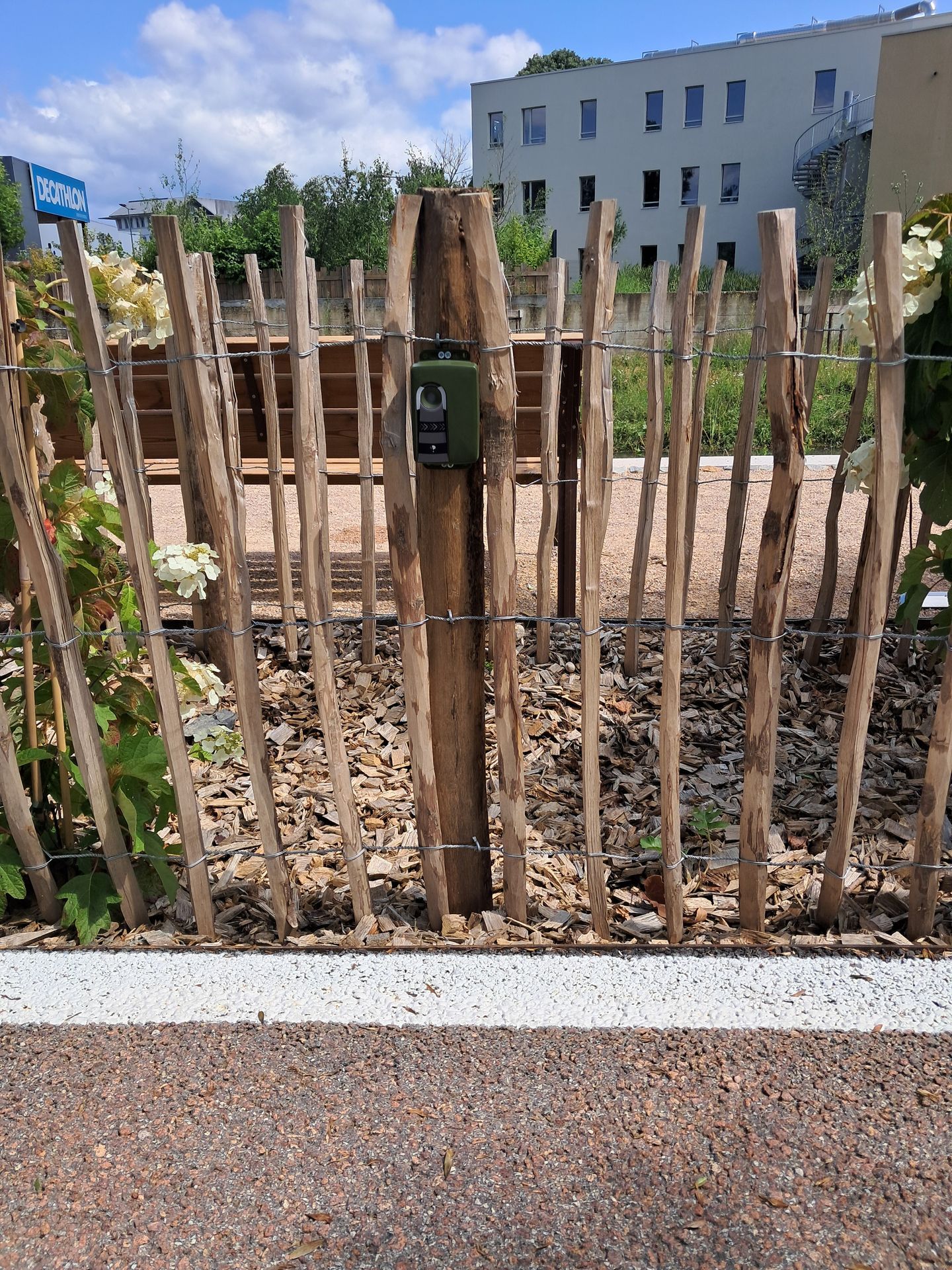
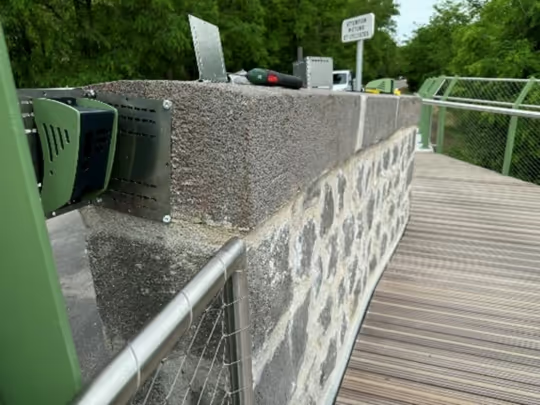
The boxes were chosen for their compact size, their discretion in urban areas and their ease of deployment on existing sites.
They are practical boxes that are fairly easy to install, lightweight and blend well into the urban setting.
Counting data is primarily intended for:
The data is mainly used to judge the relevance of the adjustments made, with a long-term vision at the level of the mandate.
At this stage of the project, the community is still in a observation phase. However, the data confirms a first essential point:
At least we know there are cyclists.
The results will gradually feed into the evaluation of existing facilities and future trade-offs in terms of cycling continuity.
The City of Bourg-en-Bresse highlights some constraints related to urban configurations, which may limit the possibilities of installing counters on certain axes.
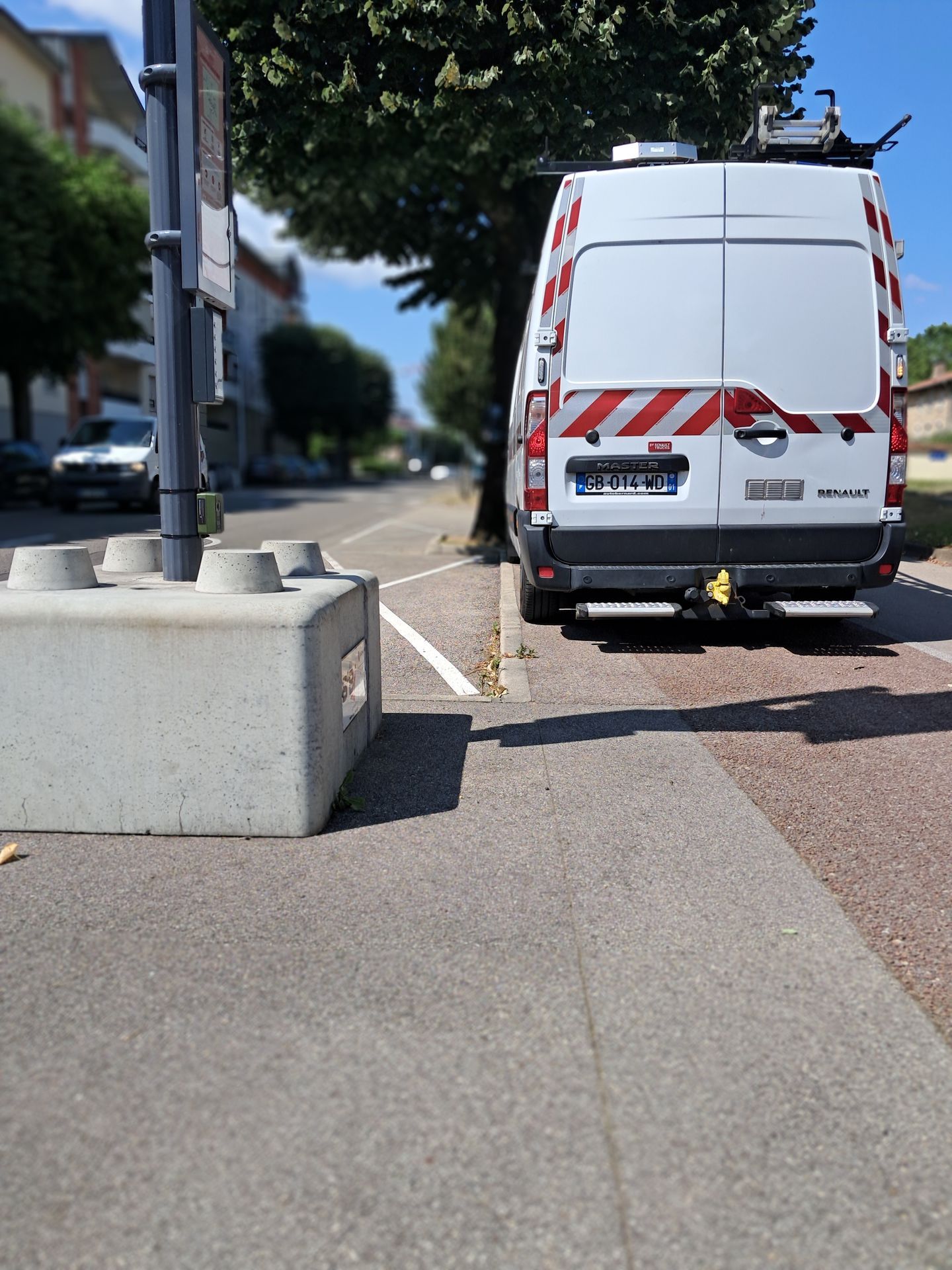
The configuration of the equipment sometimes complicates the installation: you need support and avoid road traffic in the background. This eliminates some sites where we would have liked to have been able to rely on.
Several recently developed major boulevards could therefore not be equipped, due to a lack of suitable supports. The community evokes the interest, in the long term, of more flexible or complementary solutions to cover all urban configurations.
The Kiomda solution is considered relevant for exploratory urban use, with a score of 7/10, taking into account:
There are pluses and minuses, but the tool is adapted to this type of assessment process.”