English



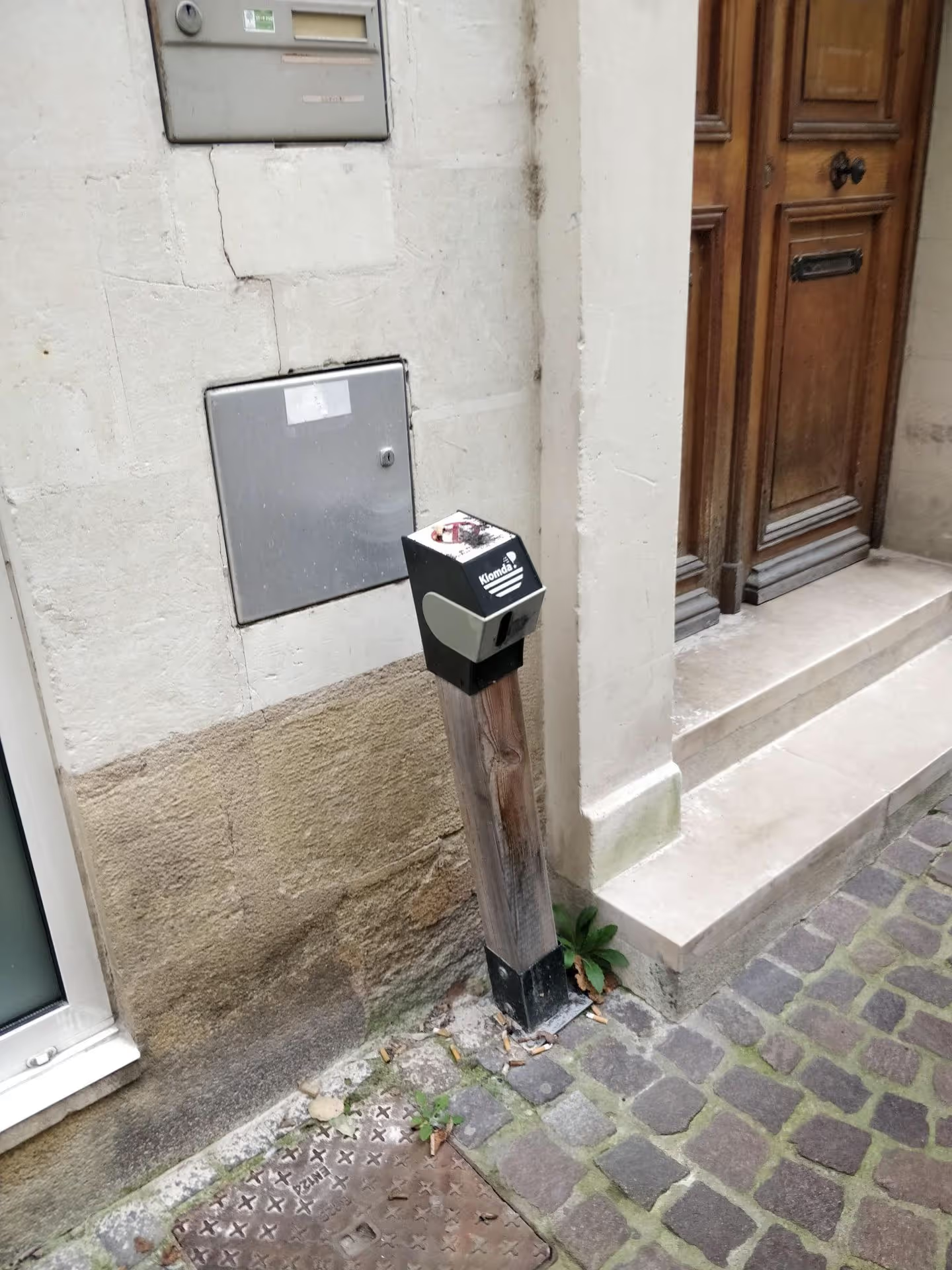
Since 2024, the municipality of Bussang has been measuring visitor numbers at two of its outdoor sites in the Vosges Mountains — the Moselle River source via ferrata and the Luc Colin Nordic chalet — using two Kiomda counters. The goal is to base development plans, starting with the parking area, on data rather than assumptions, and to consolidate this information across the entire mountain range.

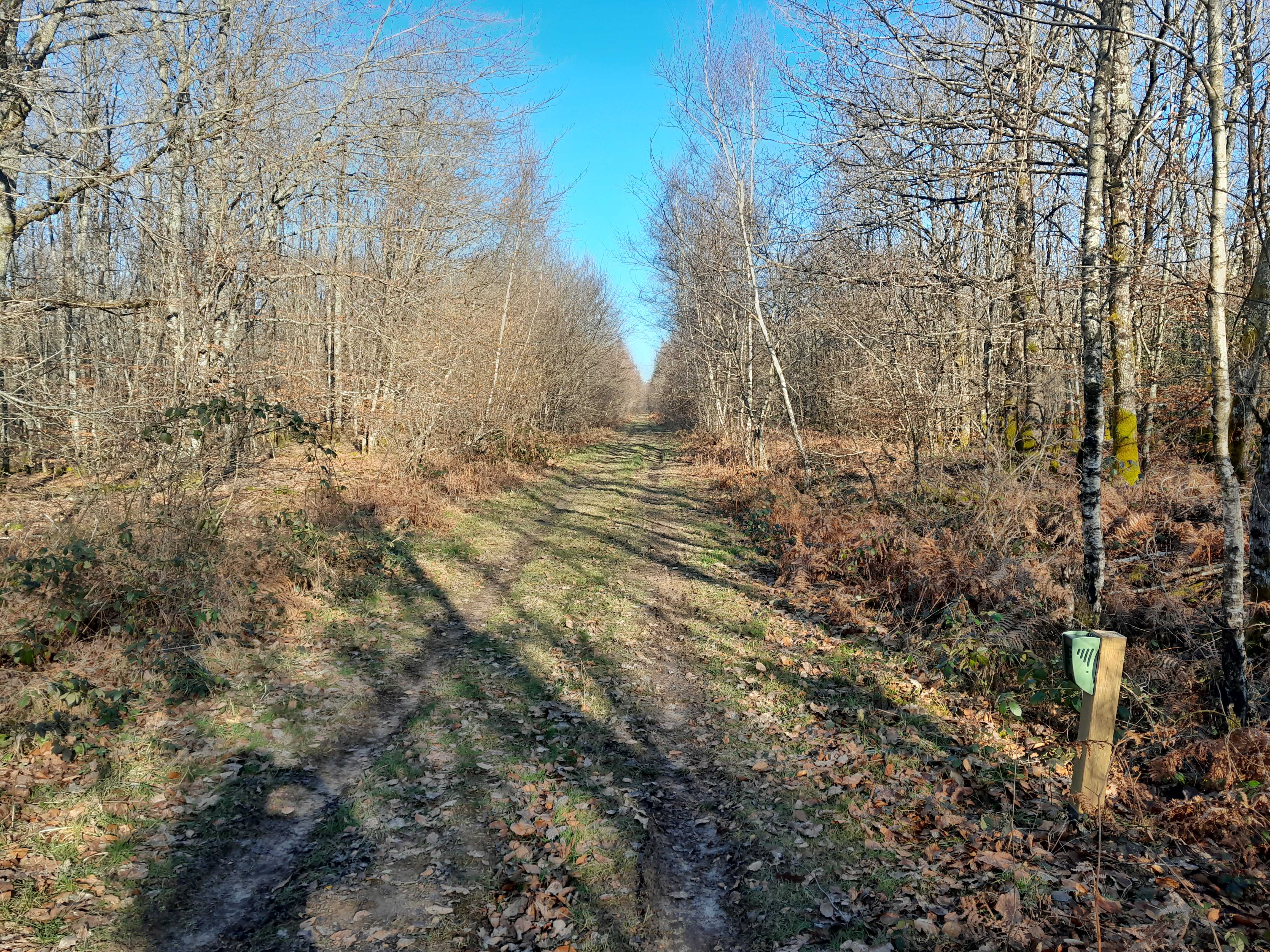
In Bussang, the first via ferrata in the Vosges overlooks the Moselle River source, at an altitude of 715 meters. Below it, there's a large dirt parking lot. The municipality's question was simple: should the entire lot be redeveloped, or just a portion of it?
Without visitor numbers, decisions are based on intuition — and intuition, especially at a mountain site, often misjudges peak seasons. Redeveloping the entire parking lot is expensive and might be unnecessary; redeveloping only a part requires knowing how many vehicles actually stop there, and when. This is precisely where a counter becomes a crucial decision-making tool.
« We use it for the via ferrata to get visitor numbers and plan the parking accordingly. There's a huge dirt parking lot, but perhaps redeveloping the entire thing isn't necessary. »
— Sébastien Colin, Bussang Municipality
The second counter is located a little further away, at the Luc Colin chalet on the Rochelotte plateau: a place with a dual purpose, offering cross-country skiing and snowshoeing in winter, and mountain biking in summer. Two seasons, two different audiences, one site to understand. Since 2024, both devices have been recording pedestrian traffic in fifteen-minute intervals — allowing us to see not only how many, but also when.
These figures don't stay in Bussang. The municipality didn't acquire its counters alone: it responded to a call for applications from the Grand Est Region, dedicated to monitoring visitor numbers in the natural and tourist areas of the Vosges Mountains. Counting, here, isn't just a local action — it's a piece of a larger puzzle.
« We acquired the counters through the Region's call for projects, to consolidate data across the territory. I report the figures to our regional contact; it's stipulated in the funding agreement. »
The data is therefore sent to the Region, where a project manager analyzes it, and to the tourist office, which receives the raw data upon request. A single counting system, shared from the municipality to the entire massif: it's often at this scale that visitor numbers truly become meaningful.
Regarding the tool itself, the feedback is clear — and what's appealing isn't the technical prowess, but the fact that everything is exactly where you expect it to be.
« It's good, it's comprehensive, with comprehensive graphing capabilities and Excel exports. It offers a lot. »
Asked what could be improved, Sébastien Colin couldn't immediately think of anything. His rating: 9 out of 10, « not to say 10 — there's always a little room for improvement. » A polite way of maintaining high standards.
And the story isn't over. Other sites in the mountain range still need to be equipped; the municipality already anticipates new needs in two or three years — at the pace, as often happens, of regional funding. Once the first data point is established, the next necessary one quickly becomes apparent.



.jpg)

.svg)




.avif)