

English


All the projects in which the meters were used showed a significant increase in attendance after the development of the tracks.
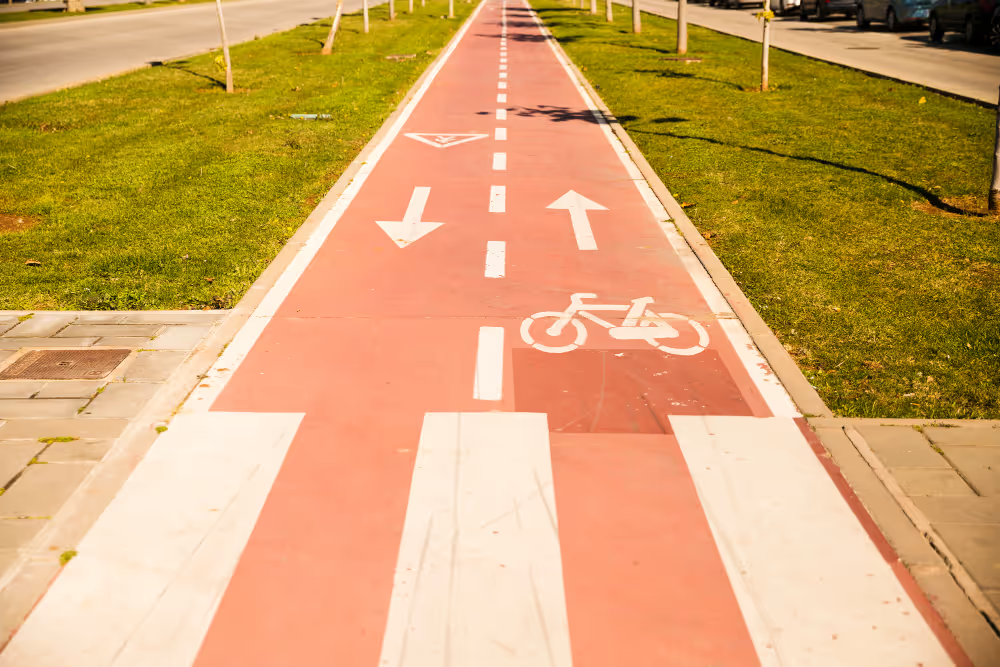
La City of Beaune Use the Kiomda counters as part of its projects to create and improve bike paths. The objective is twofold:
“All the projects in which the meters have been used have shown a significant increase in attendance after the development of the tracks.”
This monitoring thus makes it possible to have a precise vision of the effectiveness of investments made in favor of soft mobility.
The data collected is presented at DREAL (Regional Directorate for Environment, Development and Housing) to support requests for grants for new projects.
“DREAL requires a comparison of attendance before and after development. We therefore use data from previous projects to demonstrate the gains in terms of use and justify new requests.”
The numbers are embedded in reports and presentations, proving the positive impact of cycling infrastructures and making it easier to obtain additional funding.
The exploitation of the figures collected makes it possible toadjust projects according to observed flows. By analysing usage trends, the City of Beaune was able to optimize and recalibrate grant applications, thus guaranteeing the efficient allocation of resources.
“This information allowed us to optimize or recalibrate our funding requests.”
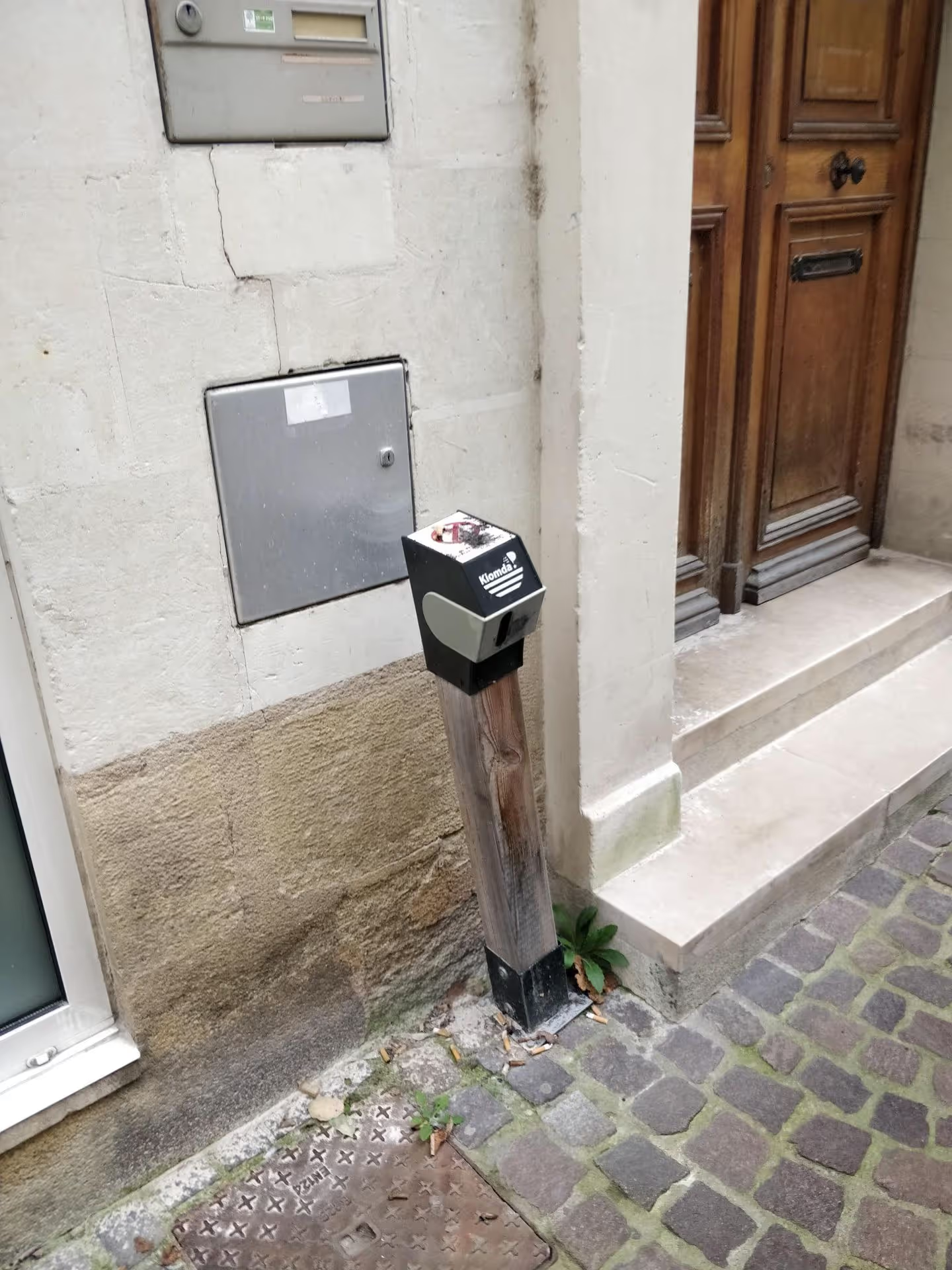
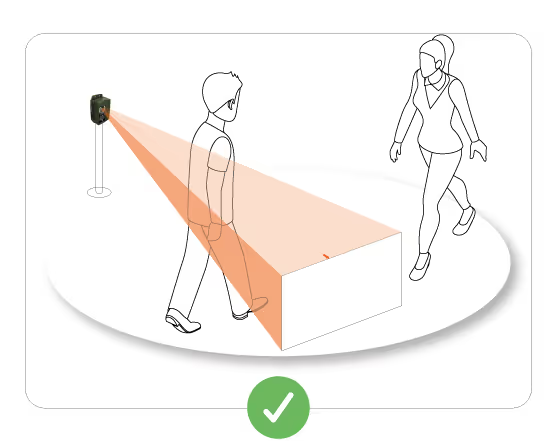
A remark was raised regarding The impact of high temperatures in urban areas. During strong heat amplified by the reverberation of walls and asphalt, the technology of Thermal recognition may be affected, which raises questions about the reliability of the data during these periods.
“This requires us to think more about the location of meters to prevent ambient heat from being equal to body heat.”
This observation highlights The importance of the correct positioning of sensors in order to optimize the accuracy of surveys in extreme weather conditions.
Thanks to Kiomda counters, the City of Beaune has a a reliable analysis tool to monitor the evolution of bicycle use, measure the impact of projects and justify funding requests.




.jpg)


.svg)