

English


The debate between real time and delayed synchronization is often misunderstood in attendance counting projects. Many project owners think that real time is necessarily superior, although it is above all a question of use, technical constraints and cost. A real-time system involves always-on connectivity, a stable network infrastructure, and a software architecture that can manage incoming data flows continuously. Delayed synchronization allows sensors to operate independently, store data locally, and transmit data periodically according to a predefined schedule. Between these two models, there is no universal answer: there are use cases, field constraints and budgetary trade-offs. This article explains when to choose one or the other, and why delayed synchronization perfectly meets most territorial needs.

The term “real time” is particularly fascinating in commercial discourse around smart cities and data management. It evokes modernity, responsiveness, and fine steering. But for the majority of attendance measurement projects carried out by local authorities, natural parks, tourist offices or space managers, real time does not provide value in proportion to its cost.
What is real time in the context of a counting system? It is the ability to transmit and display transit data at the very moment it is captured, or with a delay of a few seconds to a few minutes. This implies that each sensor is permanently connected to a transmission network (fiber, 4G, 4G, Wi-Fi, LoRaWAN with a nearby gateway), that this network is stable, that the receiving servers are sized to process incoming flows, and that the visualization interface is updated continuously.
This architecture comes at a cost: network subscriptions, servers, complex software infrastructure, maintenance. It also has technical constraints: availability of the network on site, increased energy consumption of sensors (radio transmission consumes more than local storage), and vulnerability to connectivity failures.
So the real question is: do I really need my data to be visible right now, or can I wait a few hours, a day, or a week without compromising my goals?
There are situations where real time is justified or even essential. These are those where information must trigger immediate action or decision making in a very short period of time.
Real-time capacity management is the most obvious example. On a busy tourist site (protected natural park, museum, ski resort), it may be necessary to know the number of visitors present at the moment in order to decide to temporarily close access, to redirect flows to other entrances or to activate a crisis management plan. In this context, a delay of several hours would make the information useless.
Dynamic access regulation is another real time use case. Some urban car parks or areas with restricted access (pedestrian city centers, low-emission areas) use real-time traffic data to adjust rates, display orientation messages, or activate temporary restrictions.
Live public display, on totems or screens, is a third use case. Some communities want to display the number of bicycle or pedestrian crossings on a greenway, in real time, in order to raise awareness or promote the development.
Finally, some mass events (festivals, sports events) may require real-time monitoring of flows for security and operational management reasons. But even in these cases, a latency of 10 to 15 minutes is usually sufficient.
Apart from these specific situations, real time does not provide additional operational value compared to daily or weekly synchronization.
A sensor in delayed synchronization mode operates independently. It detects the passages, saves the data in a local memory (flash, SD card or internal memory depending on the model) and keeps them until a transmission is triggered.
This transmission can take place in several ways. The most common is periodic automatic transmission : the sensor connects once or several times a day (or per week) to the available network (4G, LoRaWAN, Wi-Fi) and sends the accumulated data to a cloud platform or a server. This operation only lasts a few seconds to a few minutes, which drastically limits energy consumption compared to a permanent connection.
Another modality is the manual transmission by field collection. A technician travels periodically to the site, connects to the sensor via Bluetooth or cable, and retrieves stored data. This method is particularly suitable for very isolated sites, without network coverage, or for temporary installations of short duration.
Some systems combine both approaches: automatic transmission when the network is available, local storage in case of loss of connectivity, with additional manual recovery if necessary.
The first benefit is energy autonomy. A sensor that only transmits once a day consumes much less energy than a sensor that is connected all the time. This results in significantly longer battery life: several years compared to a few months in some cases.
The second advantage is the robustness in the face of network failures. If a real-time sensor loses connectivity, it stops transmitting and data can be lost. A sensor in delayed synchronization continues to function normally: it stores data locally and transmits it as soon as connectivity is restored. No data loss.
The third advantage is the simplicity of infrastructure. No need to deploy a dedicated network, no need to guarantee permanent 4G or Wi-Fi coverage, no need to size servers to manage continuous incoming flows.
Finally, deferred synchronization is compatible with all types of sites, including the most isolated ones. A sensor at the bottom of a valley, on a mountain trail, or in a nature reserve without network coverage can work for months by storing data locally.
Latency — that is to say the time between the capture of data and its availability for exploitation — must be defined according to the real use of the data.
For a monthly or quarterly report of attendance intended for a public funder (ADEME, region, European funds), a weekly synchronization is more than sufficient.
For the operational management of a network of greenways or bicycle paths, daily synchronization makes it possible to follow trends, identify peaks of use, compare periods and detect possible anomalies.
For a impact study before/after development, a weekly synchronization is very suitable. The results will be exactly the same whether they are transmitted in real time or once a week.
Deploying a real-time system requires connectivity to be available, stable and economically viable across all measurement points. However, this condition is far from being met in the majority of territorial contexts.
In dense urban areas, 4G coverage is generally good, but it involves a data subscription per sensor, which can quickly become expensive on a network of several dozen points.
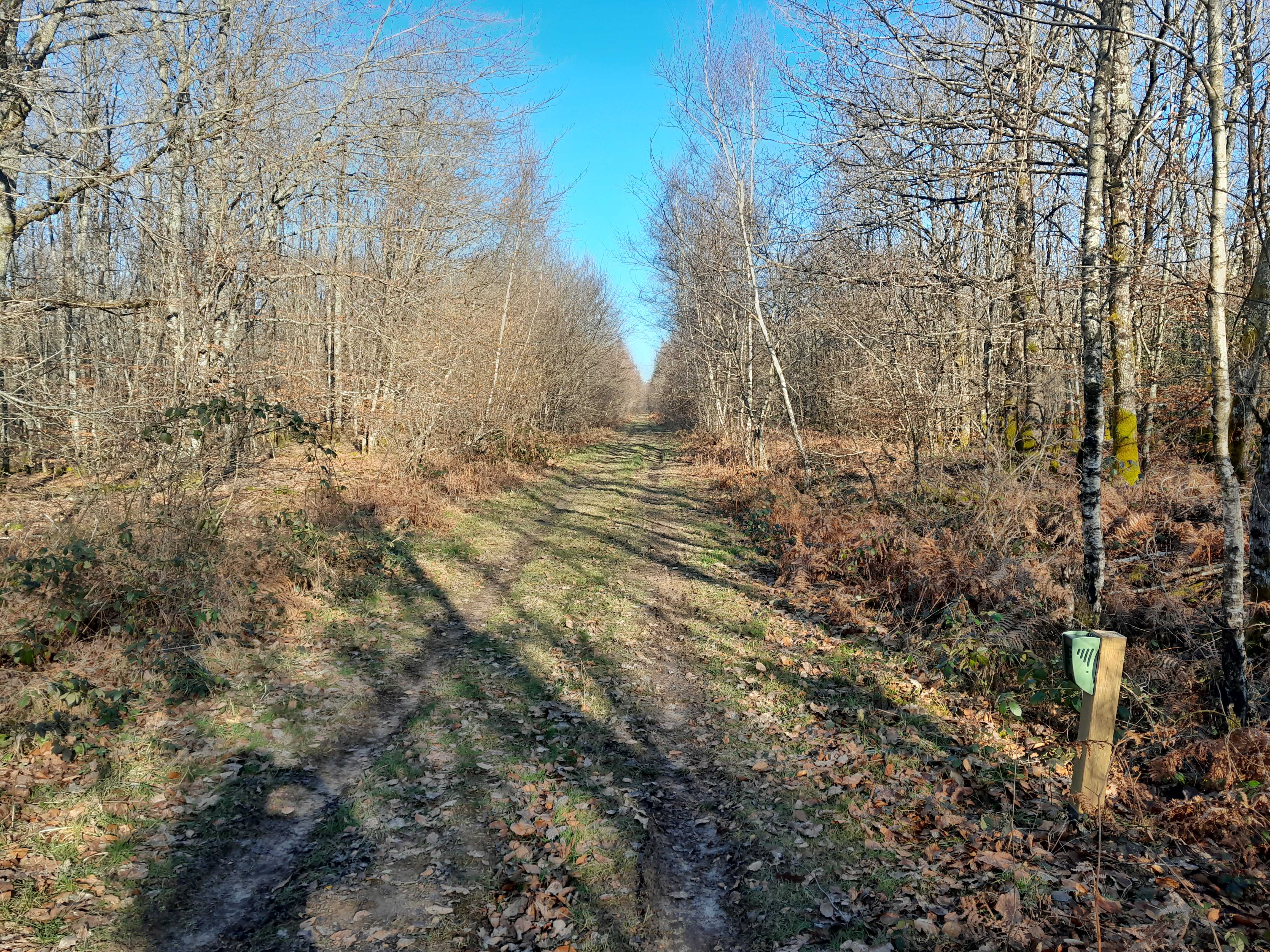
In rural, peri-urban or natural environments, network coverage is often incomplete or even non-existent. On greenways crossing wooded areas, on mountain trails, in natural parks, it is common for sensors to end up outside any cellular coverage area.
What to remember: For a network of 20 sensors, the total cost over 3 years of a real-time architecture can exceed by 50 to 80% that of an architecture in delayed synchronization, without providing additional value for the majority of territorial uses.
For communities that carry out measurement projects over large, heterogeneous territories, or including rural and natural areas, relying on an architecture in delayed synchronization is a strategic choice that guarantees the sustainability of the system and the comparability of data, regardless of connectivity hazards.
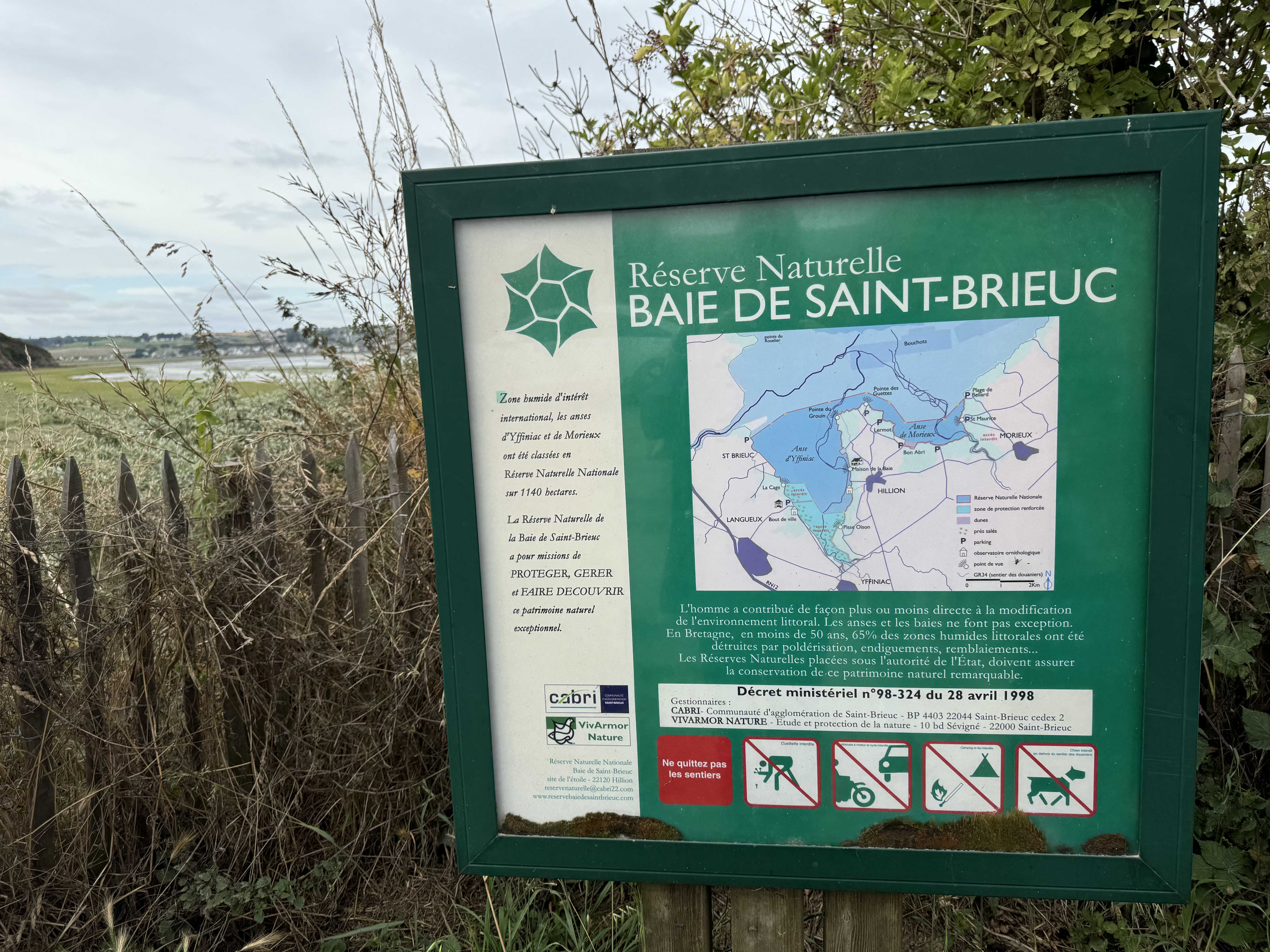
Natural parks, reserves, mountain resorts and tourist sites in isolated areas are the contexts where delayed synchronization is the only realistic option.
These spaces are characterized by low or no network coverage, a technical or regulatory impossibility to deploy heavy infrastructures (antennas, cabling), and often strict environmental constraints. In this context, an autonomous battery or solar collector, operating in local storage with periodic transmission or manual collection, is the only viable architecture.
Moreover, the managers of these spaces do not need real-time data. Their objectives are to measure overall attendance over a season, to compare the years, to assess the pressure on sensitive environments, to justify developments or to build reports for funding programs. Synchronization on a monthly or even quarterly basis perfectly meets these needs.
Some systems offer a solution hybrid : local storage by default, with opportunistic transmission when the sensor detects network coverage. This approach allows you to benefit from the best of both worlds.
The choice between real time and delayed synchronization should never be approached as a question of technical sophistication or modernity. It should be guided by three simple criteria: the actual use of data, site constraints, and total cost of ownership.
If your attendance data is used to produce monthly reports, to assess the impact of a development or to justify a grant request, delayed synchronization is the most suitable solution. It is less expensive, more robust, compatible with all types of sites and does not compromise the quality of analyses in any way.
If your data is used to pilot immediate actions — access regulation, live public display, real-time capacity management — then real time is justified. But in this case, it is necessary to ensure that the network infrastructure is available, that the budget allows it to be maintained and that the users of the system are in fact in a position to exploit the information continuously.
Between these two extremes, there is a whole range of acceptable latencies depending on the context. A twice-daily synchronization (morning and evening) may suffice for certain operational management uses. A weekly synchronization is perfect for strategic management. The important thing is to define this latency according to use, not according to what technology allows.
For communities and managers who wish to build a sustainable, scalable and exploitable attendance measurement network over the long term, delayed synchronization offers the best balance between data quality, technical robustness and cost control.



.jpg)

.svg)



.avif)