English


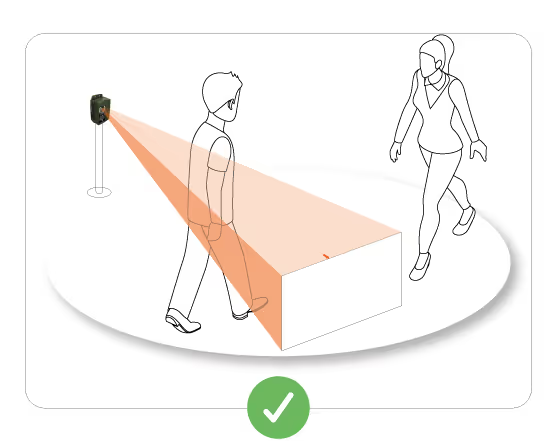
As part of its departmental cycling plan, the Dordogne Departmental Council has deployed two Kiomda boxes on the Flow Vélo and a pedestrian route connecting Soulac to Rocamadour. The objective: to have reliable attendance data to manage and justify its investments in tourist infrastructure. Simple to use, robust in the field and shareable between several institutional partners, the solution quickly became a reference tool for teams and elected officials.

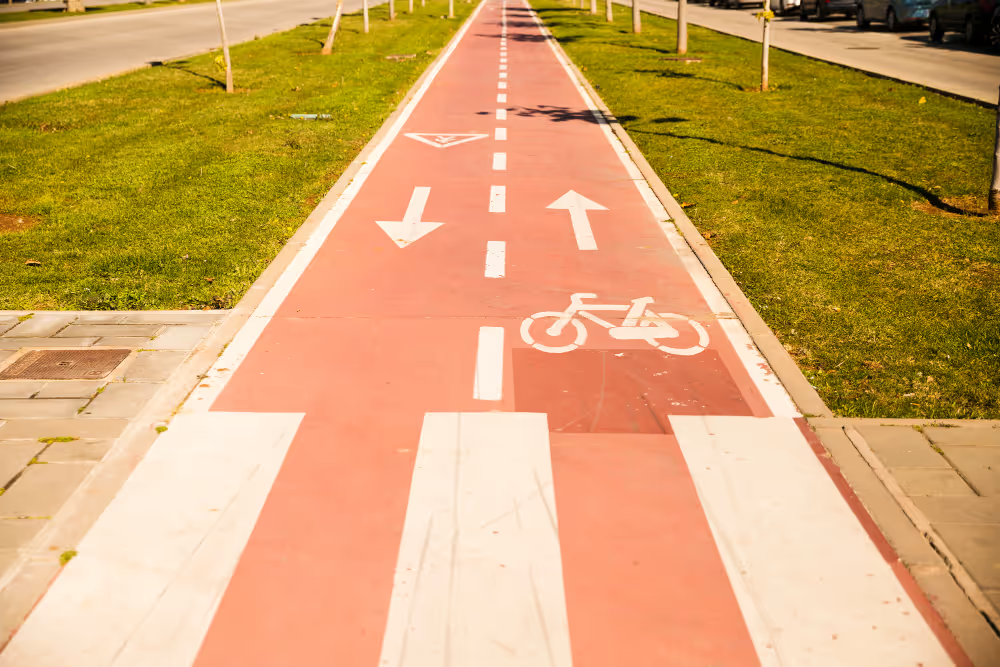
Dordogne is a department with great tourist potential, structured by several cycling and hiking routes. Among them, the Flow Vélo — a regional cycle route — is a strategic axis on which local authorities invest on a sustained basis. The Departmental Council has formalized this commitment through a departmental bicycle plan, which sets out the technical and financial procedures for the development of these infrastructures.
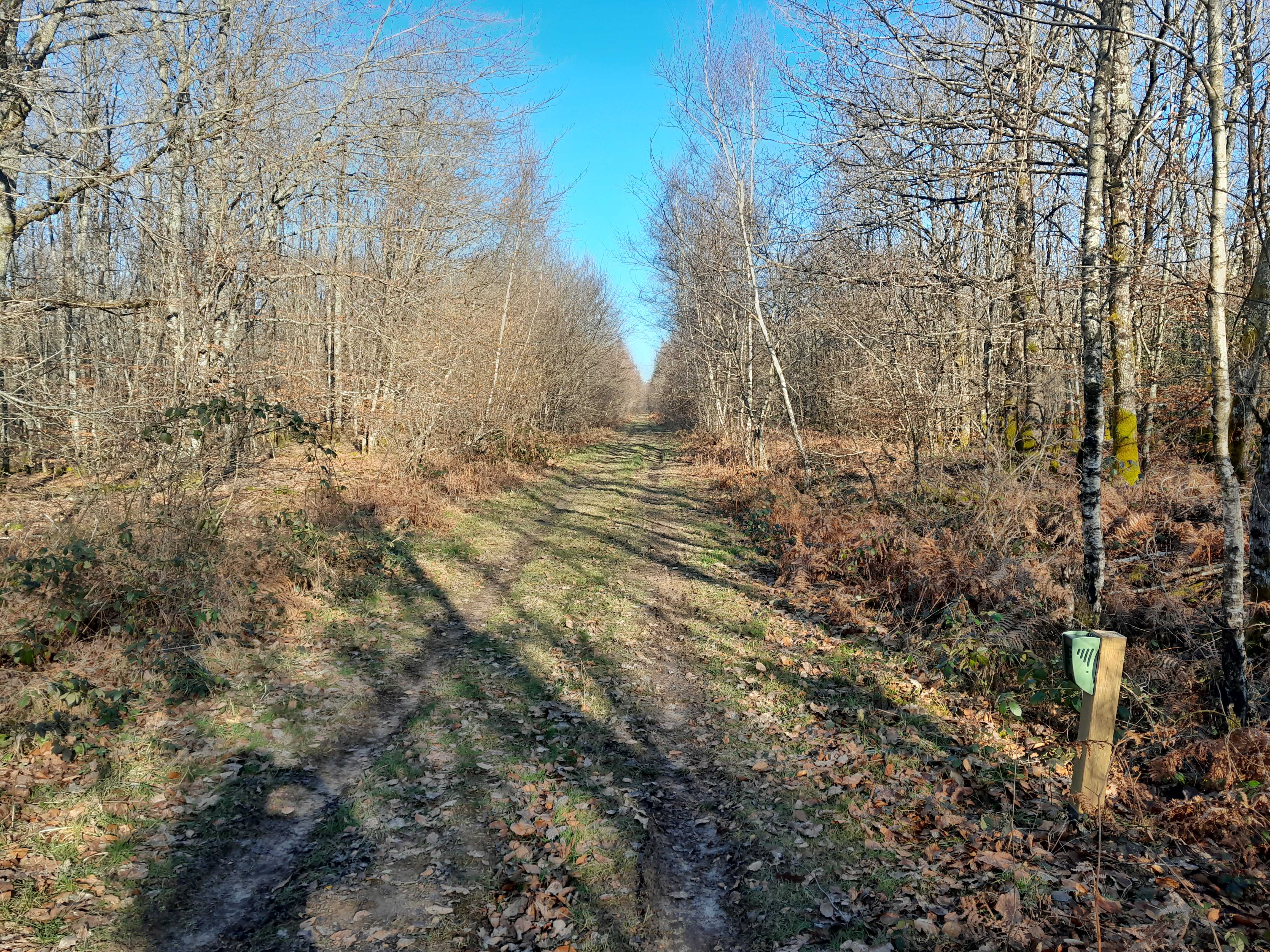
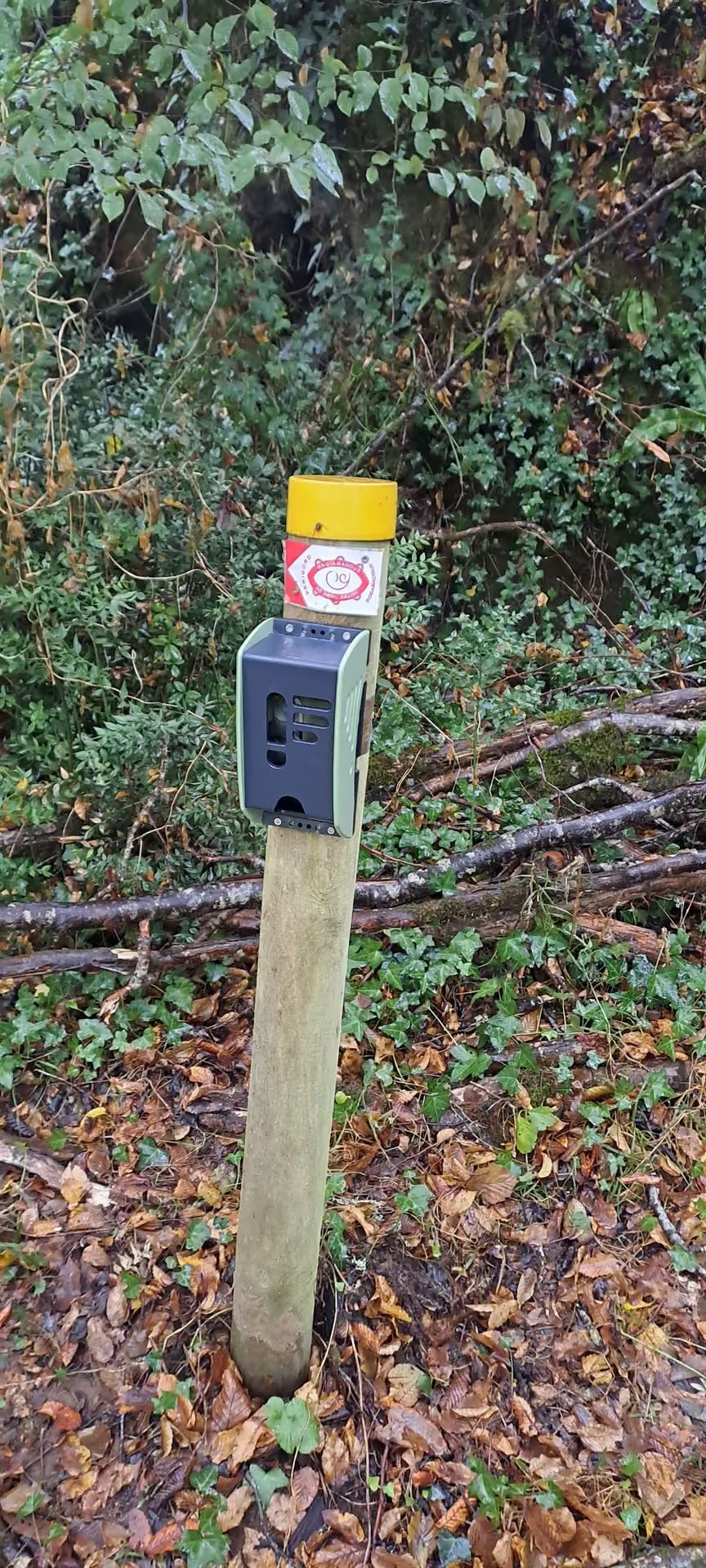
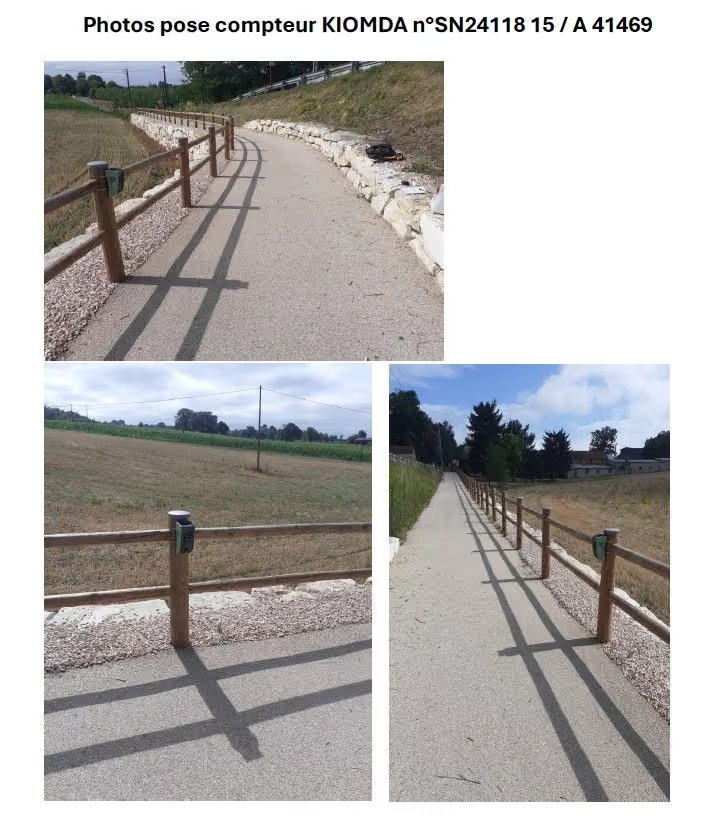
It is in this context that two Kiomda boxes were installed: one in Saint-Crépin-et-Carlucet, on the eastern sector of the Flow Vélo, the other in Veyrignac, on the pedestrian route connecting Soulac to Rocamadour. The boxes are equipped with anti-vandalism covers, which makes it easy to maintain them in condition on exposed sites far from urban centers.
“It was installed on the Flow Vélo, on the East sector of the Flow Vélo at the start. The rest of the itinerary is already equipped with various and varied counters.”
The choice of Kiomda was part of an effort to rationalize counting tools. The department already had experience with other solutions, in particular on the Isle Valley greenway, managed by the communities of municipalities. The challenge was now to have equipment specific to the department, in line with its itinerary evaluation policy.
“The idea is to have tools for evaluating our itineraries.”
?
As soon as it was put into operation, the data was shared with several stakeholders: the department's roads department and development unit, as well as the Community of Municipalities of Pays de Fénelon, a partner in local planning. Each actor has their own access codes to the platform, which allows for autonomous consultation according to the needs of each.
“We gave access codes to the various EPCIs, to our road colleagues who manage the roads. Everyone is very happy with the use.”
At the level of the Flow Vélo steering committee, attendance data are reported bimonthly. They serve as a reference indicator to assess the real use of developed infrastructures, and to report to elected officials on the benefits of public investment.
“We, the elected officials, are developing tourist infrastructure, we need to have an evaluation. This evaluation is attendance.”
The transversal dimension of the tool is underlined as a benefit in its own right: beyond knowing attendance, counters play a federating role between services and communities. Sharing data also means sharing a common vision of the use of the territory.
On the technical side, a parameter adjustment related to speed detection was made at the beginning of deployment, at the request of the department. This episode is calmly evoked, as part of the normal adjustment of a field tool.
“We are satisfied because it is rustic, robust, efficient and reliable data. That is very good.”
The portability of the boxes is also mentioned as an asset: the possibility of easily moving a counter from one site to another opens up prospects for more flexible use, in particular with the planned acquisition of a “flying” box as part of the next consultation.
?





.svg)
.jpg)