

English


On a major archaeological site with free access, the Métropole de Lyon has deployed Kiomda counters in order to measure actual attendance and better understand uses. The data made it possible to exceed initial estimates, to structure monthly and annual monitoring, and to feed into concrete decisions in terms of operation, flow management and tourism strategy, while respecting strong constraints linked to the heritage character of the site.


The archaeological site of Lugdunum, classified and subject to strict heritage constraints (UNESCO, DRAC), has a major particularity: Access is free, no ticket office required.
Until recently, attendance was based solely on estimates, with no reliable tool to measure flows over the year.
Several solutions have been considered:
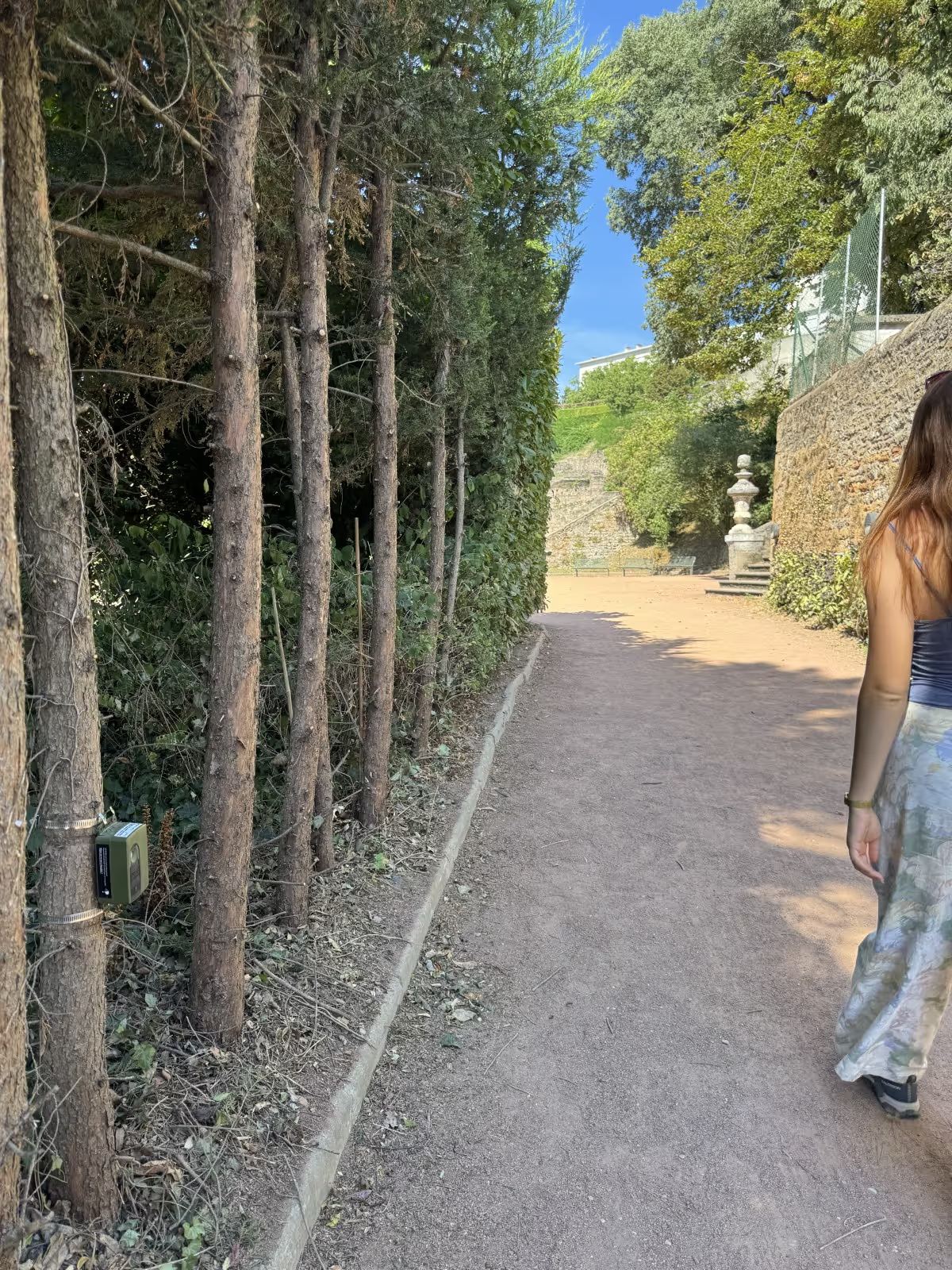
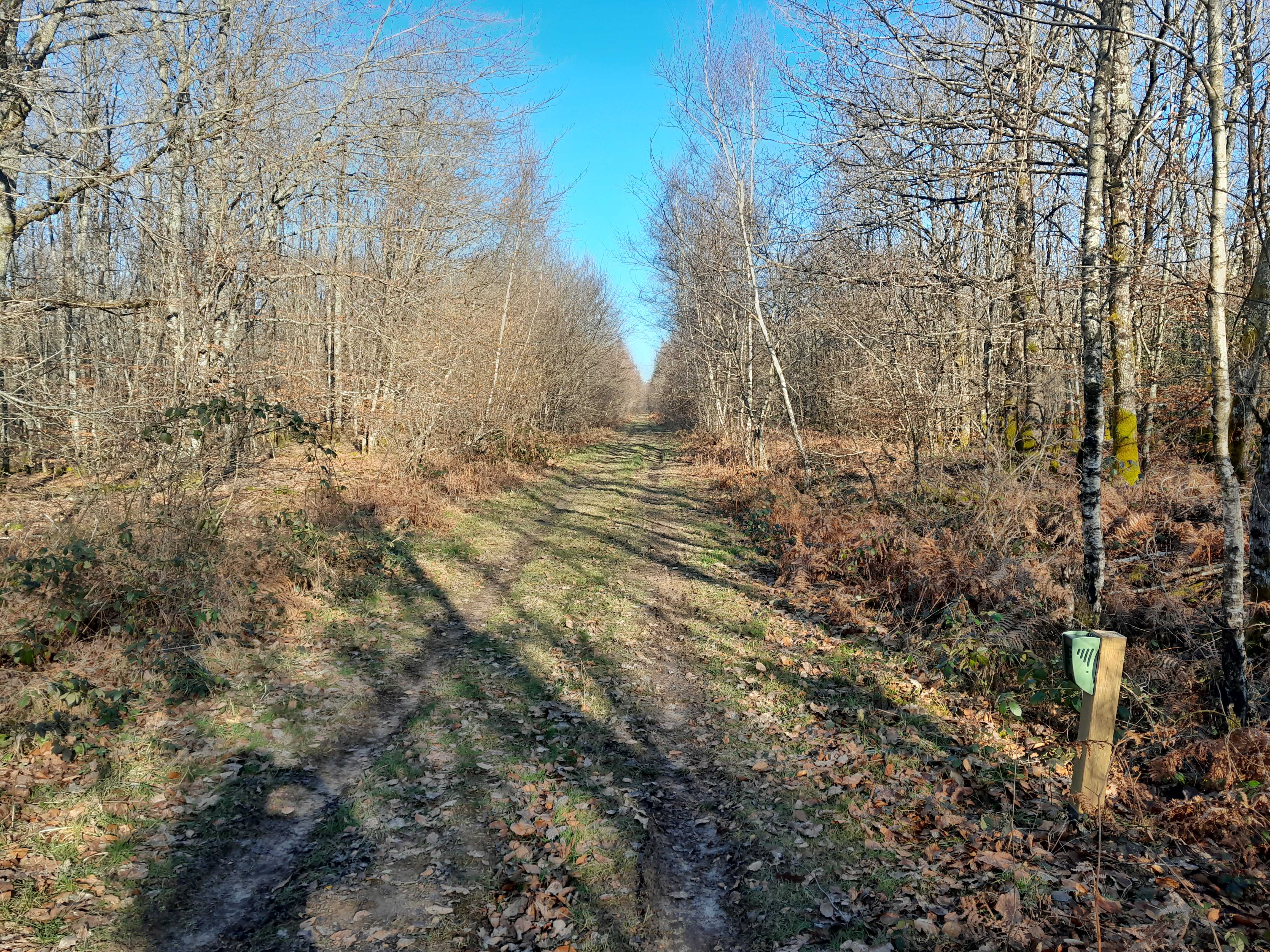
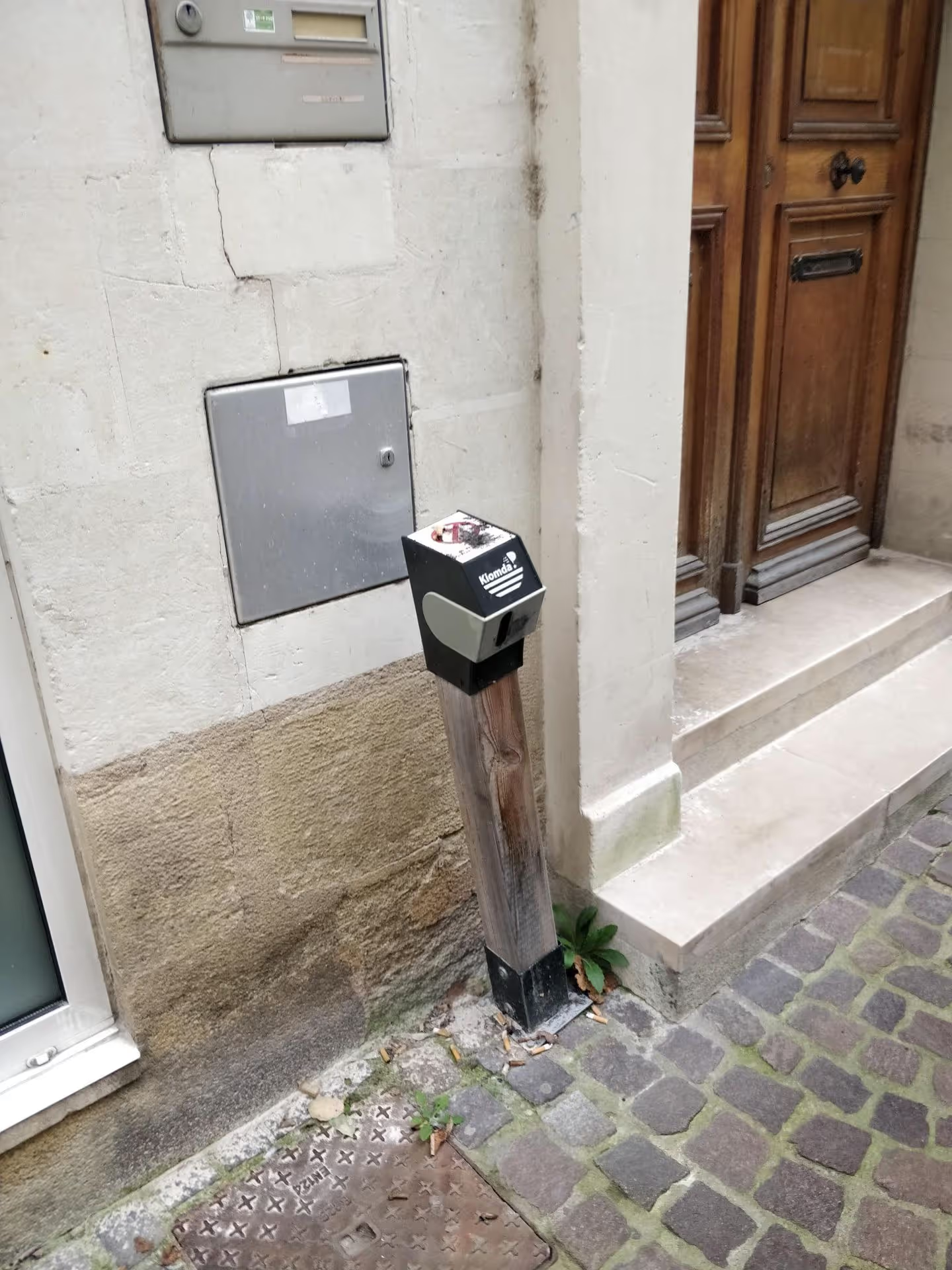
The need was therefore clear: to have a discrete, autonomous, minimally intrusive counting tool without heavy infrastructure, compatible with a sensitive heritage environment.
“Any establishment requires a file with the DRAC. We needed a device that was as least intrusive as possible, removable and without wiring.”
Kiomda supported the site with supply and commissioning of several meters, installed from August 2024 on various accesses of the site.
The solution was chosen to:
“Kiomda was the most coherent solution between the proposal and the price. The others were either too heavy or unsuitable.”
The data is accessible via the Kiomda platform and exported to feed internal analyses and territorial tools (in particular the metropolitan platform).
Since the establishment of the counters, the site has benefited from a structured and regular attendance monitoring :
“Every month, I assess attendance: number of visitors, accesses, time slots. We have a really interesting analysis.”
The data made it possible to correct major estimation biases.
“We thought we would have 850,000 visitors per year. In reality, we are more than double that.”
Beyond the volume, they revealed a unexpected diversity of uses :
“There are a lot of uses other than what we imagined.”
The data today is:
They also feed into territorial devices, such as the platform OnlyLyon/CityTrend, allowing reuse on a metropolitan scale.
The benefits are multiple and concrete:
Operational
“Stupid thing, we had 850,000 visitors per year according to our estimates. With this figure we quantified the soap and toilet paper we buy, we were in short supply all the time. In the end we have more than double the number of visitors..”
Strategic
Organizational
“It allows you to rethink a certain number of prejudices that we may have had.”
The Kiomda solution is considered very satisfactory, with a score of 9/10.
“The efficiency of the sensors is very good, the platform too, and the after-sales service is responsive. In terms of form, I couldn't find anything better: the least intrusive product possible.”
?




.svg)






.avif)